
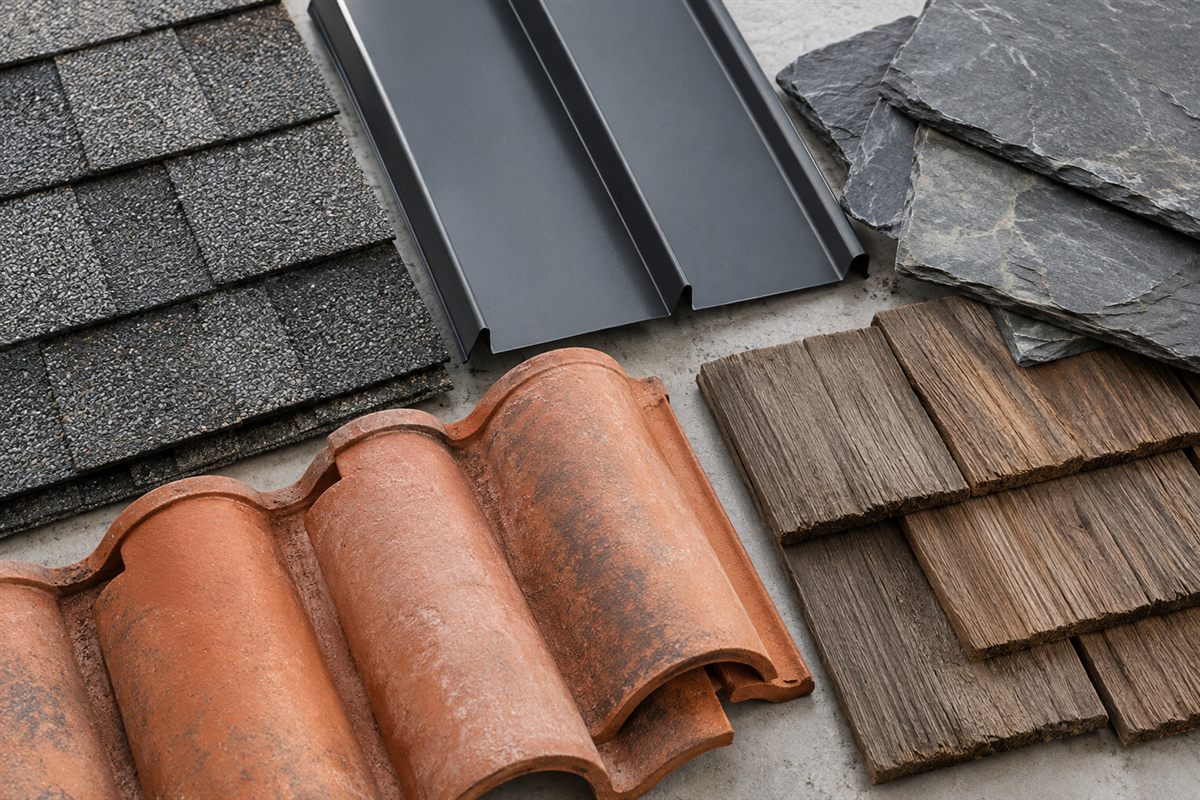
The right roofing material for your home depends on your roof slope, budget, architectural style, local weather exposure, and how long you plan to stay in the home. In the Dayton area, many homeowners choose architectural asphalt shingles for their balance of cost, appearance, and reliable performance, while metal, slate, tile, synthetic, and low-slope systems may be better for homes with specific design goals, structural needs, or long-term durability priorities.
Start With the Roof, Not Just the Material
A roof is a complete system. The visible shingle, panel, tile, or membrane matters, but so do the underlayment, flashing, ventilation, decking, gutters, and workmanship. Before we recommend a roofing material, we look at the roof’s pitch, drainage, attic ventilation, existing roof layers, chimney details, skylights, valleys, and structural limitations.
That inspection matters because the “best” material is not the same for every home. A steep historic roof, a low-slope addition, and a newer suburban home each require different roofing decisions.
Roofing Material Comparison
| Roofing Material | Best For | Key Advantages | Things to Consider |
|---|---|---|---|
| Architectural asphalt shingles | Many residential roofs | Good value, broad style selection, proven performance | Shorter lifespan than premium materials |
| Metal roofing | Long-term ownership, modern or farmhouse styles | Durable, low maintenance, strong curb appeal | Higher upfront cost; installation details matter |
| Slate | Historic homes and premium designs | Natural beauty, exceptional longevity | Heavy, costly, and requires experienced installers |
| Tile | Distinct architectural styles | Long-lasting and visually distinctive | Heavy and not suitable for every structure |
| Synthetic/composite roofing | Slate or shake appearance with less weight | Attractive and often lighter than natural materials | Product selection and installation quality are critical |
| Low-slope membrane roofing | Porches, additions, and flat sections | Designed for roofs that shed water more slowly | Not interchangeable with steep-slope shingles |
Asphalt Shingles: A Practical Residential Choice
Asphalt shingles remain one of the most common residential roofing choices because they are affordable, versatile, and available in many colors and profiles. ARMA describes asphalt shingles as the most popular residential roof covering in North America, and GAF notes that asphalt shingles are widely used because they are affordable and relatively easy to install and maintain.
For many homes, we recommend architectural shingles over basic three-tab shingles. Architectural shingles create a thicker, dimensional look and are commonly selected when homeowners want a stronger visual upgrade without moving into a premium roofing category.
Metal Roofing: A Long-Term Option
Metal roofing can be a strong choice for homeowners who want durability, clean lines, and lower maintenance over time. It can also support energy-conscious design when the right finish is used. The Department of Energy explains that cool roofs reflect more sunlight and absorb less solar energy, which can reduce roof surface temperatures and cooling demand in the right conditions.
Metal is not automatically the best fit for every home. Valleys, fasteners, seams, penetrations, snow movement, and flashing all need careful planning. A metal roof performs best when the installation is matched to the home’s roof design.
Slate, Tile, and Specialty Materials
Slate and tile are premium roofing materials with strong visual character. Slate is especially valued on historic and high-end homes. CertainTeed notes that properly maintained slate roofs have been known to last more than 150 years, while also pointing out that slate is heavy and typically expensive.
Tile offers a distinctive appearance and long service life, but it also requires the right structure and roof design. These materials should be evaluated carefully before installation. At Enterprise, we treat slate, tile, and specialty roofing as craftsmanship work, not simple material replacement.
Low-Slope Roofing Requires a Different System
Low-slope roof sections need different materials than steep-slope roofs. Shingles are designed to shed water on pitched surfaces, while low-slope areas often need membrane systems that provide stronger water resistance. NRCA defines low-slope roofing separately from steep-slope roofing, which is why porches, additions, and flat roof sections should be evaluated on their own.
Don’t Overlook Color, Ventilation, and Maintenance
Color affects curb appeal and heat absorption. Darker roofs can create contrast and depth, while lighter or more reflective products may help reduce surface heat in some situations.
Ventilation is just as important. Without proper intake and exhaust ventilation, heat and moisture can build up beneath the roof system. InterNACHI explains that poor attic ventilation can shorten the service life of certain roofing materials, especially asphalt-based products.
Maintenance should also be part of the decision. Trees, clogged gutters, debris, moss, failed flashing, and storm damage can affect any roofing material. Even premium roofs benefit from periodic inspection.
How We Help Homeowners Choose
| Question | Why It Matters |
|---|---|
| How long do you plan to stay in the home? | Longer ownership may justify a premium material. |
| What is the roof’s slope and structure? | Not every material works on every roof. |
| What is your realistic budget? | Lowest upfront cost is not always the lowest lifetime cost. |
| What look fits the home? | The roof should complement siding, brick, trim, and neighborhood style. |
| Are there low-slope sections? | These areas may need a separate roofing system. |
The right roofing material should protect your home, fit your architecture, and make financial sense. Our role is to inspect the roof properly, explain the options clearly, and recommend a system that matches the home instead of forcing a one-size-fits-all answer.
If you are comparing roofing materials for your home, we can help you weigh cost, durability, appearance, and installation details. Start with a straightforward estimate through our contact page or call us at 937-298-8664.
Nov. 03, 2026
Buying a Home in Dayton? The Roof Questions Smart Buyers Ask First
Oct. 19, 2026
How Fuel Prices Can Affect Roof Pricing
Oct. 05, 2026
Roof Repair or Replacement After Storm Damage? A Dayton Homeowner’s Insurance Guide
Sep. 22, 2026
Choosing the Right Roofing Material for Your Home
Sep. 08, 2026