
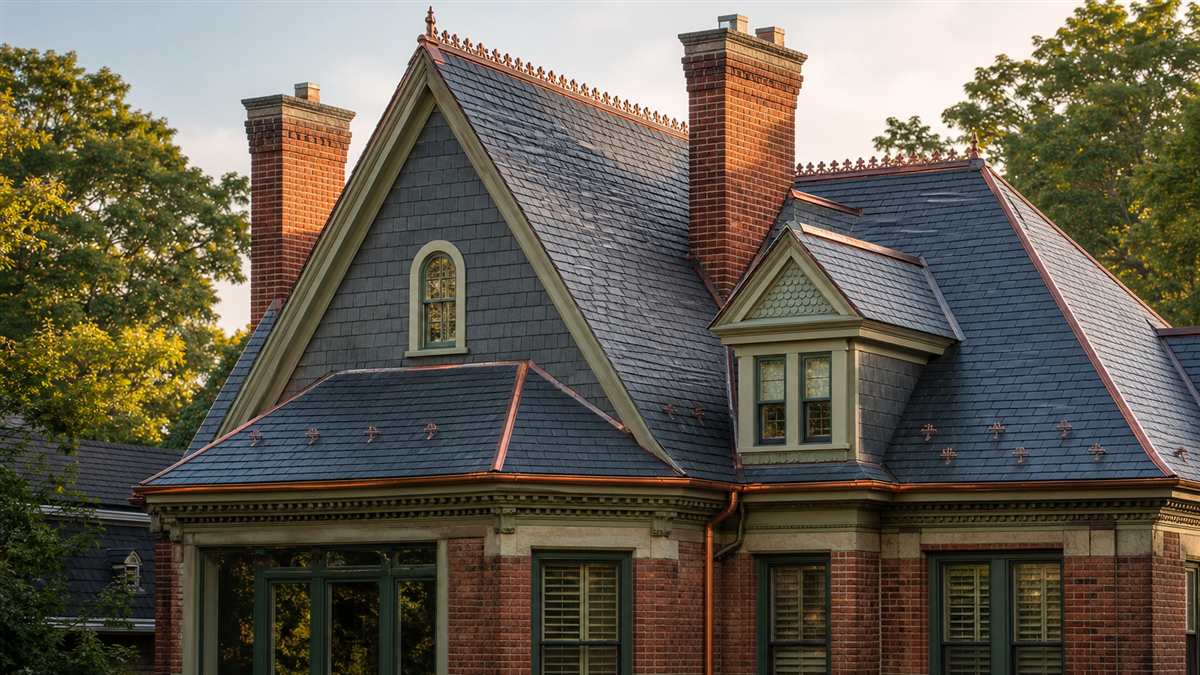
How do you update a roof on a historic home without ruining its character? Start by keeping the features that make the roof visually distinctive, repairing original materials whenever possible, and using matching or closely compatible replacements only when the original cannot reasonably be saved or sourced. The National Park Service is clear that roof shape, dormers, chimneys, cresting, and the size, color, and pattern of slate, tile, wood, or metal are often character-defining elements—not details to flatten out for convenience.
Start with what gives the roof its identity
On a historic home, the roof is not just weather protection. It is part of the architecture. Before any tear-off or replacement decision, we recommend documenting the roof’s existing profile, flashing details, seam spacing, ridge treatment, dormers, and any material patterning. The National Park Service notes that decorative slate layouts, standing-seam spacing, and other craft details can be central to the building’s appearance, and losing them during replacement changes the house more than many owners expect.
Repair first. Replace second.
The best preservation strategy is usually selective repair, not automatic replacement. That means correcting leaks at flashing, valleys, gutters, and fasteners first, then salvaging sound slate, tile, or metal where possible. The Secretary’s Standards recommend reinforcing historic roof materials and limiting replacement to deteriorated sections, rather than removing repairable roofing just to create a more uniform appearance.
Confirm whether the original material is still available
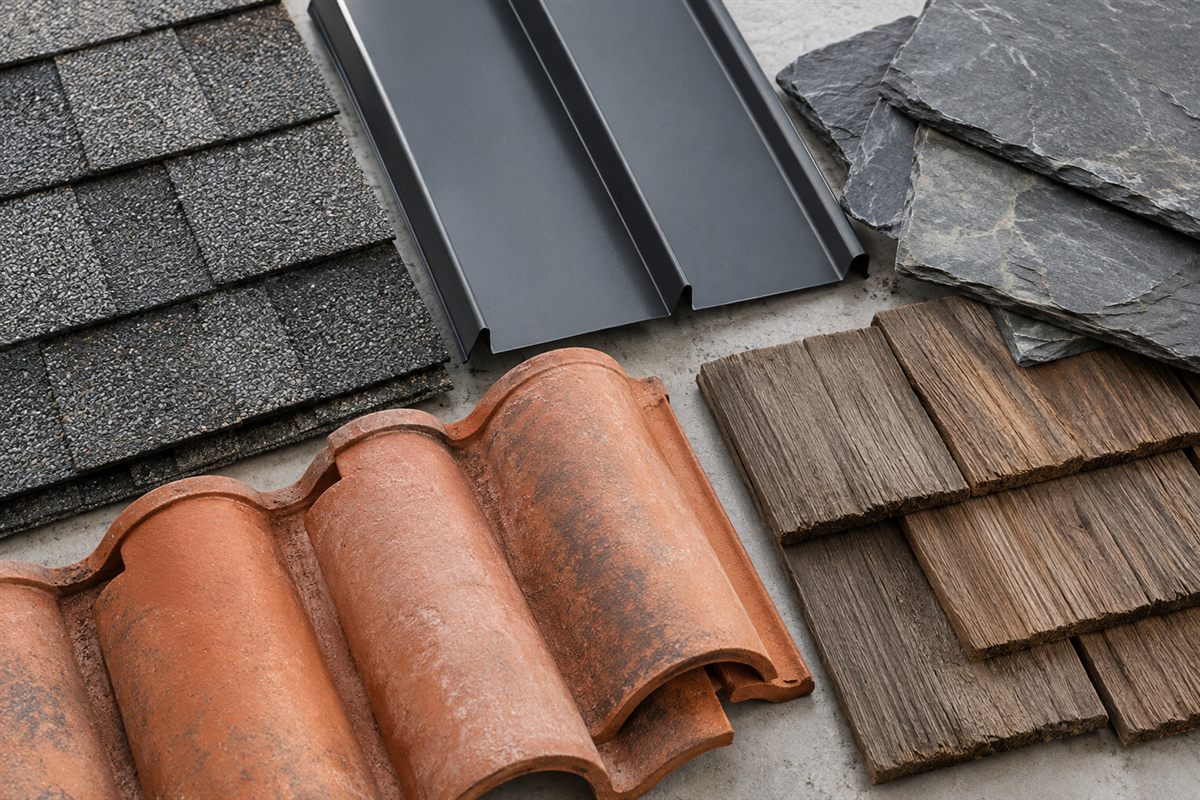
Before defaulting to modern asphalt, check whether the original material is still obtainable. For many historic homes, clay tile, slate, and architectural metal can still be sourced, and some specialty profiles can be fabricated. The National Park Service states that most historic roofing materials are still available today, and that specialized products such as tile or embossed metal shingles can often be produced through specialty manufacturers.
If the original is unavailable, use a compatible substitute
If the original material is no longer available—or if code, performance, or budget constraints make it impractical—you still have options. The key is to choose a substitute that matches the old roof as closely as possible in composition, design, color, texture, dimensions, and visual effect. Preservation Brief 16 explains that substitute materials can be acceptable when original materials are not reasonably possible, but only if they preserve the historic character rather than approximate it loosely. In plain terms: “similar” is often acceptable; “close enough from the street” is not.
What we recommend before work starts
| Priority | What we look for | Why it matters |
|---|---|---|
| Character-defining features | Roof shape, dormers, chimneys, seam spacing, patterning | These are often what make the home read as historic |
| Repair opportunities | Flashing failures, isolated breakage, reusable tile/slate | Preserves more original fabric |
| Material availability | Original clay tile, slate, wood, or metal options | In-kind replacement is preferred |
| Substitute review | Closest visual and physical match | Helps protect appearance when originals are not feasible |
| Approval path | Historic district or landmark requirements | Prevents delays and non-compliant work |
Check local preservation requirements in Dayton
For historic homes in Dayton, we also recommend checking with local preservation organizations such as Preservation Dayton before making visible roof changes. Preservation Dayton specifically advises owners to “check before you change,” and the City of Dayton states that roof replacements matching the existing design may qualify as a Minor Certificate of Appropriateness, while altering significant style elements such as slate or tile roofs is treated as a Major review item.
Work that respects the house
At Enterprise Roofing, we believe historic homes should be updated with restraint, not stripped of the details that give them identity. We can help evaluate whether your roof should be repaired, replaced in kind, or updated with a compatible alternative that respects the home’s original look. To get started, reach out through our contact form and schedule a roof evaluation with our team.
Nov. 03, 2026
Buying a Home in Dayton? The Roof Questions Smart Buyers Ask First
Oct. 19, 2026
How Fuel Prices Can Affect Roof Pricing
Oct. 05, 2026
Roof Repair or Replacement After Storm Damage? A Dayton Homeowner’s Insurance Guide
Sep. 22, 2026
Choosing the Right Roofing Material for Your Home
Sep. 08, 2026