

Replacing a commercial roof is a major investment — and with the right plan you can avoid surprises, control costs, and protect your building and contents. Below we lay out a concise, practical plan you can act on immediately. We speak from decades of experience at Enterprise Roofing and combine industry best practices and diagnostic tools so you get it right the first time.
Quick overview — the essential steps
Step 1 — Inspect thoroughly
A detailed visual inspection is the foundation. We document membrane type, flashings, edge conditions and penetrations — plus note drainage paths and any ponding. This first pass sets scope and budget. Industry guides recommend this as Phase I of any commercial replacement project.
Step 2 — Core cuts: “take a sample down to the deck”
Core sampling (a small circular cut) through the membrane, insulation, and down to—but not through—the deck reveals hidden problems (saturated insulation, unknown deck type, vapor barriers). We always recommend at least a few representative cores across the roof to inform scope and materials. Repairing core holes is straightforward and routine.
Step 3 — Infrared (IR) moisture survey
An infrared roof scan is a fast, non-destructive way to find trapped moisture and wet insulation before you tear off the roof. IR imaging helps prioritize tear-off areas and prevents surprises (like discovering widespread wet insulation mid-project). For large or flat roofs we often couple core cuts with IR mapping for maximum confidence.
Step 4 — Check moisture, drainage, and owner/insurance requirements
Confirm roof drainage paths and correct any ponding issues before replacing the membrane. Also check owner requirements: some insurers (especially FM Global) require specific approved assemblies, higher wind/uplift ratings, or other design constraints — these affect system selection and cost. If the building carries FM or similar commercial insurance, we verify acceptable systems in advance.
Step 5 — Plan logistics: staging, debris removal & complexity
Commercial tear-offs generate large volumes of material and often require careful staging (crane placement, dumpsters, traffic protection, night or phased work). Debris removal, site safety, and coordination with tenant operations can make setup more complicated than a residential job — factor this into your schedule and budget.
Final QA and handoff
After installation we perform quality checks, re-inspect drains and flashings, and provide documentation for warranty and insurance. Proper documentation (photos, core records, IR maps) simplifies future claims or audits.
We’re ready to help you plan and execute your commercial roof replacement with minimal disruption and maximum long-term value. To start, request an assessment via our contact form.
If you want, we’ll schedule a site inspection, perform core cuts and an infrared scan, and produce a written replacement plan tailored to your building and insurance needs.
Jun. 22, 2026
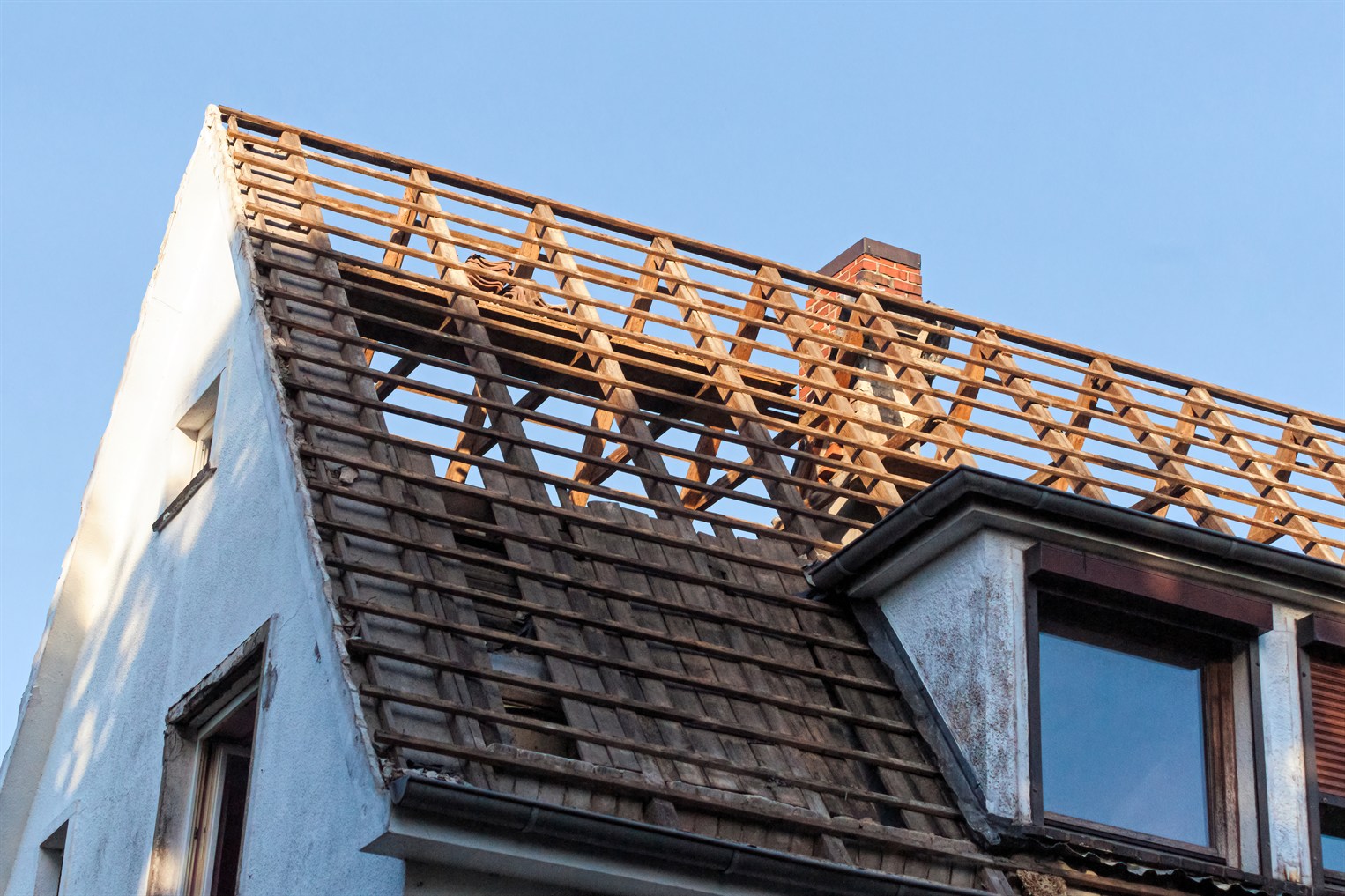
What Happens During a Roof Tear-Off: Here’s the Step-by-Step
Jun. 03, 2026
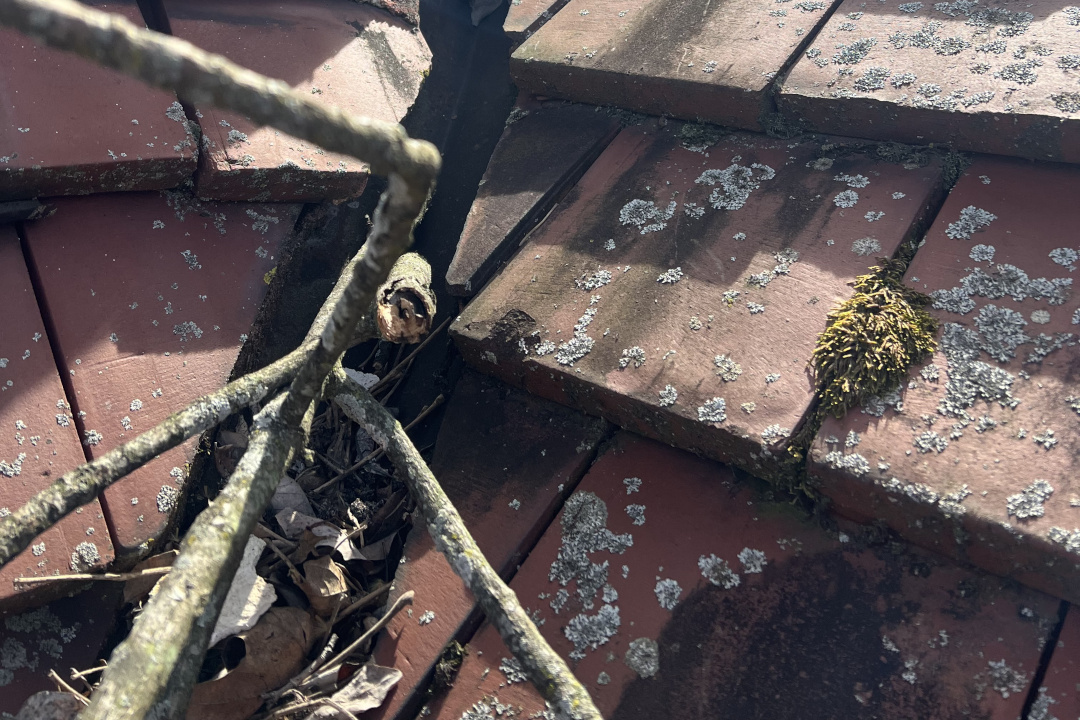
How Trees Affect Roof Life: Pruning, Leaves & Debris Best Practices
May. 21, 2026
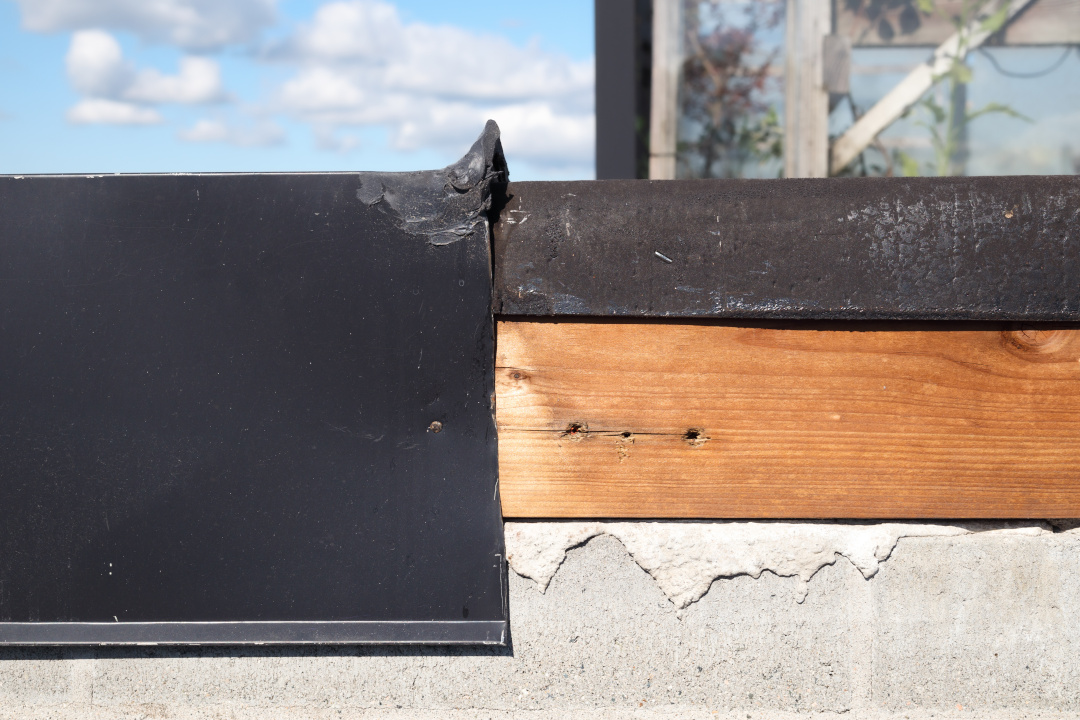
Roof Flashing Failures: Why So Many Leaks Start at Transitions
May. 07, 2026
The Effects of UV Radiation on Roofing Materials
Apr. 22, 2026