
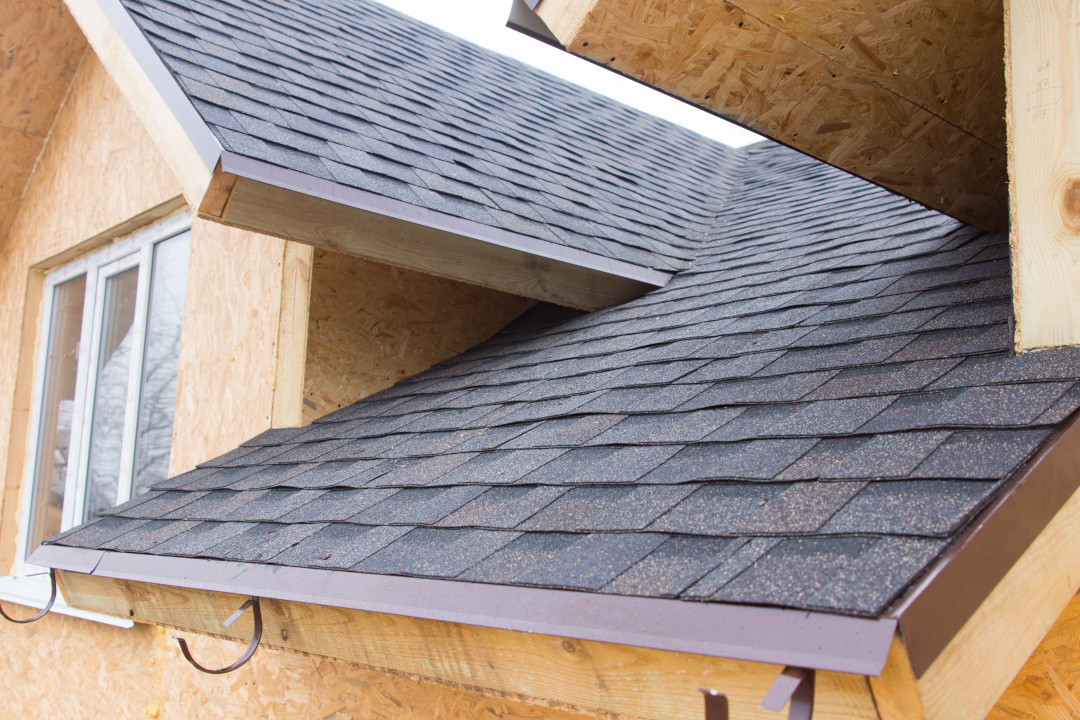
Roof pitch — the rise over a 12-inch run (e.g., 6:12) — is one of the single biggest decisions that affects how a roof performs, what materials you can use, what it will cost, and how your home looks. Below we cut straight to the facts every homeowner should know. (We’re Enterprise Roofing — here to help you choose the right pitch for your house.)
Performance: drainage, snow, ice and wind
Steeper roofs shed water and snow faster, which reduces pooling, rot, moss growth and ice-dam risk. That improved drainage generally increases shingle performance and lifespan.
However, very steep gable roofs with wide overhangs can be more vulnerable to wind uplift; certain roof geometries are inherently more susceptible during high-wind events. Proper flashing, fasteners and roof design help manage that risk.
Codes & material limits
Building codes and manufacturers set minimum slopes for common coverings. For example, many asphalt shingles require at least a 2:12 slope (and 2:12–4:12 is considered “low slope,” often needing extra underlayment), so pitch directly constrains your material choices. Check the International Residential Code and manufacturer guidance when selecting a roof system.
Cost & installation
“Steeper is better” is true for drainage and looks — but it’s more expensive. Steep roofs use more material (larger surface area), require additional labor, safety measures and sometimes specialty equipment; that commonly adds hundreds to thousands of dollars to a replacement. If budget is a major factor, pitch is a key lever.
Aesthetics — match pitch to style and site
A roof that looks great on one house can look out of place on another. Architectural style, neighborhood context, the direction your house faces (solar exposure), surrounding trees, and local climate all influence whether a particular pitch makes sense. You may like someone else’s roof, but that style or pitch may not apply well to your house — due to location, surroundings, direction your house faces, etc. This is why we evaluate site conditions and design before recommending a pitch.
Quick reference table
| Pitch category | Typical rise (in/12) | Performance notes | Common materials |
| Low slope | 2:12 – 4:12 | Slower drainage — needs good underlayment and detailing | Modified bitumen, rolled roofing, specially rated shingles. |
| Moderate slope | 4:12 – 6:12 | Good balance of drainage, cost, installability | Asphalt shingles, metal panels. |
| Steep slope | 6:12+ | Best natural drainage; higher wind/installation costs | Slate, tile, standing seam metal, premium shingles. |
How we decide – Enterprise’s Approach
We balance: performance (drainage, snow, wind), code/manufacturer limits, material compatibility, aesthetic goals and budget. The steeper the better, but it is more expensive — so our recommendations are always customized for your home and priorities.
Bottom line
Pitch matters — for durability, safety, and curb appeal. There’s no one-size-fits-all answer: the “best” pitch is the one that matches your climate, material choice, budget and home style.
Ready to evaluate your roof’s pitch and get a tailored recommendation? Contact us through our on-site form and we’ll inspect your roof, run options and provide a clear estimate.
Sources & further reading: International Residential Code (roof slope rules), GAF manufacturer guidance, Owens Corning on wind & roof geometry, Angi and HomeAdvisor on pitch vs. cost, and The Spruce material-by-pitch guidance.
Jun. 22, 2026
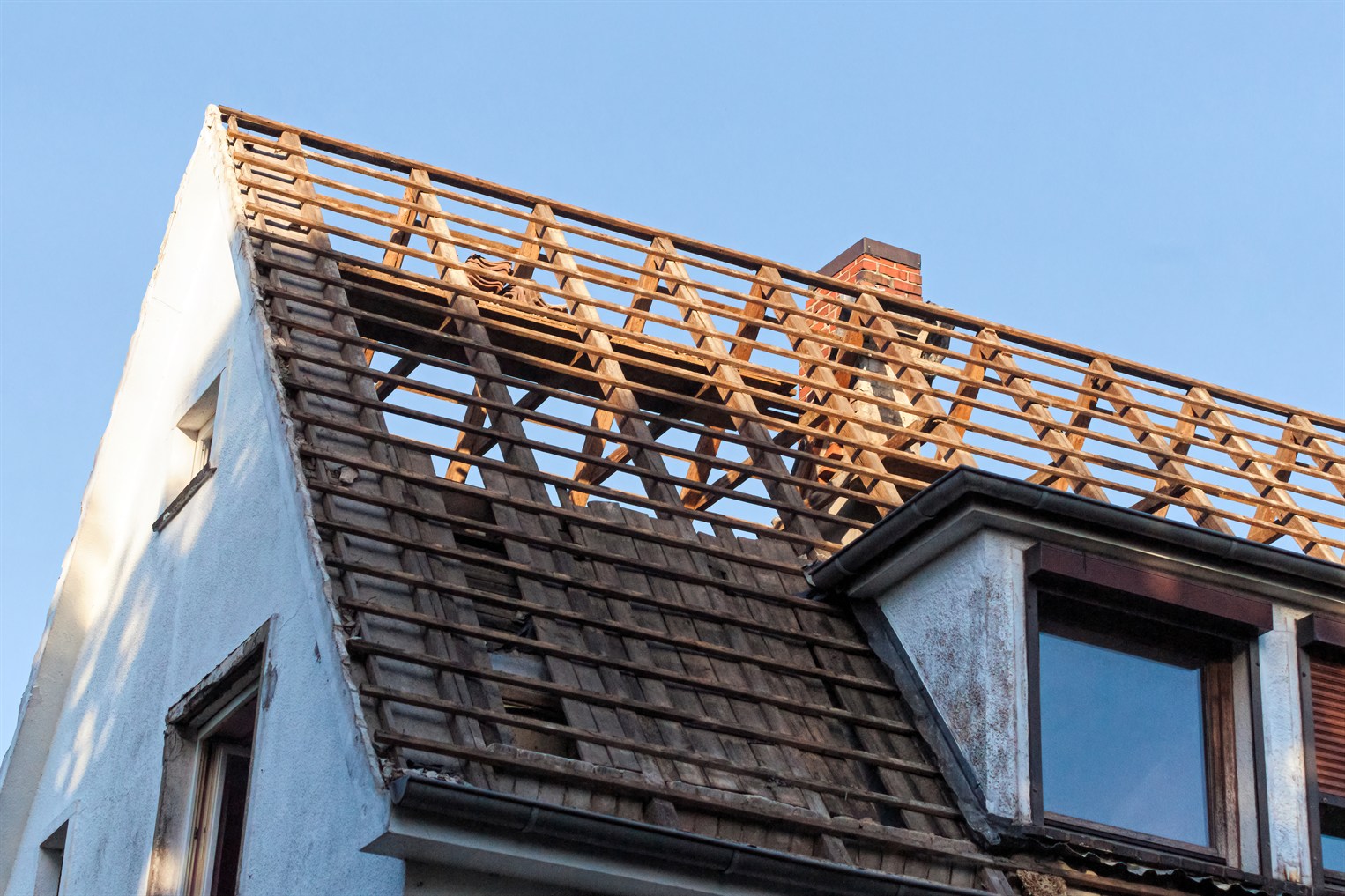
What Happens During a Roof Tear-Off: Here’s the Step-by-Step
Jun. 03, 2026
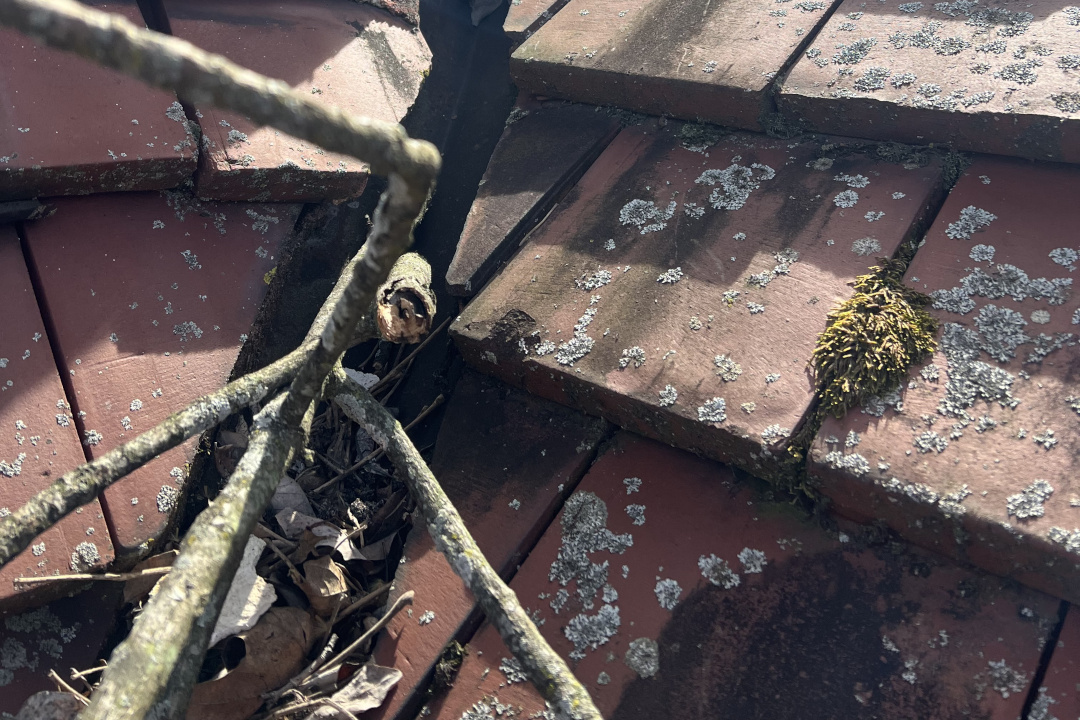
How Trees Affect Roof Life: Pruning, Leaves & Debris Best Practices
May. 21, 2026
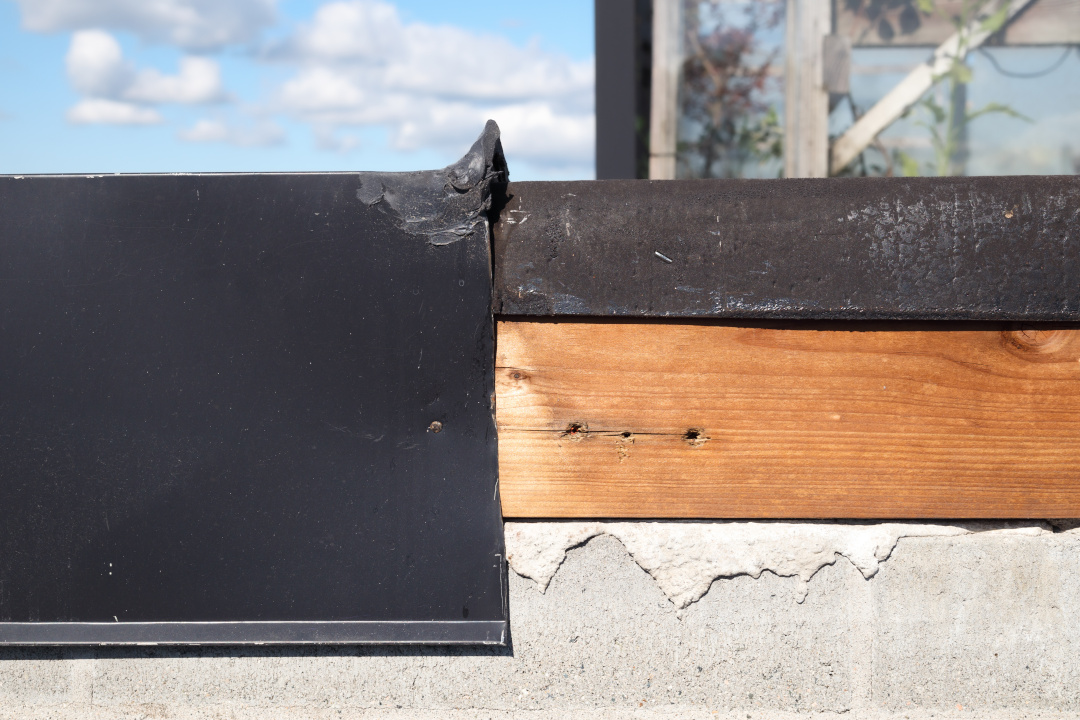
Roof Flashing Failures: Why So Many Leaks Start at Transitions
May. 07, 2026
The Effects of UV Radiation on Roofing Materials
Apr. 22, 2026