

When it comes to flat or low-slope roofing, single-ply membranes are the go-to solution for commercial and residential applications. At Enterprise Roofing, we understand that choosing the right membrane can affect your building’s energy efficiency, lifespan, and maintenance requirements. Below, we compare three popular single-ply systems—Thermoplastic Polyolefin (TPO), Polyvinyl Chloride (PVC), and EPDM (rubber)—to help you make an informed decision.
Understanding Single-Ply Roofing
Single-ply roofing involves large factory-made sheets that are either thermoset (chemically bonded) or thermoplastic (heat-welded). Thermoset membranes like EPDM rubber rely on adhesive tapes and self-gasketing properties, while thermoplastics such as PVC and TPO form permanent, watertight seams through heat welding.
Thermoplastic Polyolefin (TPO) Roofing for Flat Roofs
TPO is a three-layer membrane comprising a TPO polymer base, polyester reinforcement scrim, and a TPO top ply, all heat-fused at the factory. Available in 45-, 60-, and 80-mil thicknesses, TPO’s white reflective surface reduces heat gain, lowering cooling costs and mitigating the urban heat island effect.
Pros
- Seam strength 3–4× greater than EPDM
- Excellent UV resistance with no plasticizers to leach out
- Available warranties up to 30 years
Cons - Newer to the market; long-term performance still emerging
- White membrane may discolor without regular cleaning
Polyvinyl Chloride (PVC) Membrane Roofing
PVC membranes are manufactured from vinyl resin blended with plasticizers, UV stabilizers, and reinforced with fiberglass or polyester scrims. Heat-welded seams create a bond often stronger than the membrane itself. PVC’s chemical and fire resistance make it ideal for restaurants, industrial facilities, and storm-prone area.
Pros
- High durability against chemicals, grease, and punctures
- Reflective surface reduces roof surface temperatures by up to 25 °F compared to black membranes
- Long lifespan (up to 30 years) with minimal maintenance
Cons - Higher initial material and labor costs
- Plasticizer migration can be an issue in thinner membranes
EPDM (Rubber) Roofing
Ethylene Propylene Diene Monomer (EPDM) is a thermoset synthetic rubber membrane prized for its flexibility and resistance to heat, ozone, and weathering. Factory-applied tape and advanced hot-melt adhesives reduce installation labor by up to 75%. Properly installed, EPDM carries warranties of 30 years and can exceed a 50 year lifespan.
Pros
- Exceptional low-temperature flexibility and impact resistance
- Lowest material cost among single-ply options
- Proven track record with decades of field performance
Cons - Tape or adhesive-seamed, so seams may require more routine inspection
- Black membrane absorbs heat, increasing cooling loads
Comparing TPO, PVC, and EPDM
| Feature | TPO | PVC | EPDM |
| Seaming | Heat-welded (strong) | Heat-welded (very strong) | Tape/adhesive (moderate) |
| Lifespan | 15–25 years | 25–30 years | 20-40 years |
| Reflectivity | High (white) | High (white) | Low (black) |
| Chemical Resistance | Good | Excellent | Fair |
| Cost | Low–moderate | Moderate–high | Low-moderate |
| Ease of Repair | Easy-Moderate | Moderate | Easy |
* PVC lifespan can vary by formulation; industry averages around 20–30 years, some older products shorter (~15–20).
* PVC premium grades may last beyond 30 up to ~40 years in ideal conditions.
* EPDM lifespan varies by climate and installation quality; warranties often 20–30 years, but well-installed systems may exceed warranty
Steep-Slope vs. Low-Slope Applications
A steep-slope roof (pitch > 4 in-12) relies on gravity to shed water and debris quickly, channeling runoff into gutters and downspouts. In contrast, a low-slope or “flat” roof (pitch ≤ 3 in-12) functions like a bathtub—water collects and is guided into drains, scuppers, or internal piping. Proper drainage design and maintenance are critical: a clogged drain can lead to ponding, but the membrane must resist leaks until the issue is resolved. Misapplying steep-slope techniques (e.g., asphalt shingles) to low-slope roofs can result in premature failures.
Why Choose Enterprise Roofing
Since 1926, Enterprise Roofing has completed over 100,000 roof projects in the Miami Valley, delivering unmatched craftsmanship and customer care. Our certified technicians specialize in both residential steep-slope and commercial low-slope systems, ensuring your membrane is applied correctly for lasting performance.
Get Your Free Consultation Today
Ready to protect your investment with the right single-ply solution? Contact Enterprise Roofing now for a no-obligation assessment and quote.
Fill out our contact form and let our experts guide you to the ideal roofing system for your needs.
Jun. 03, 2026
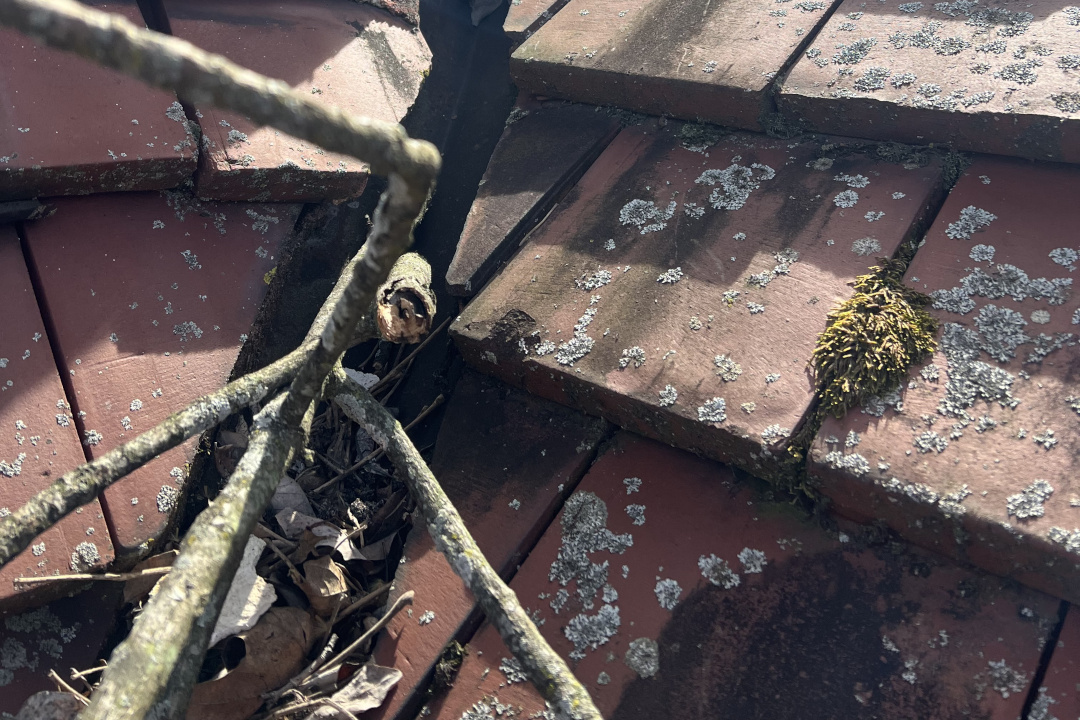
How Trees Affect Roof Life: Pruning, Leaves & Debris Best Practices
May. 21, 2026
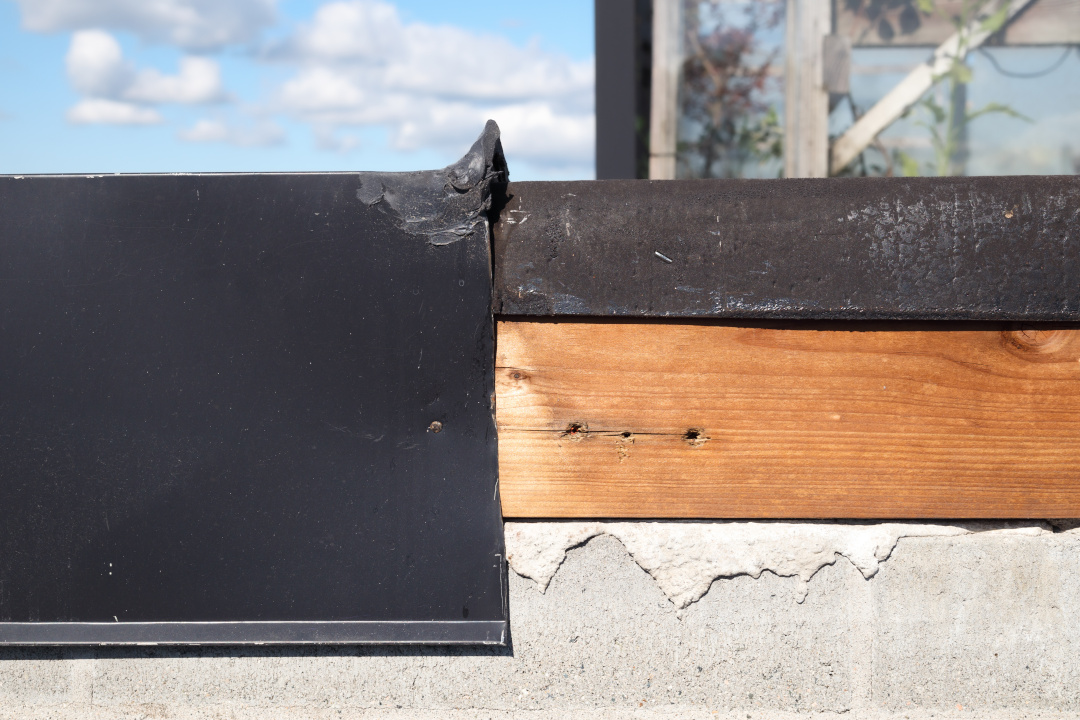
Roof Flashing Failures: Why So Many Leaks Start at Transitions
May. 07, 2026
The Effects of UV Radiation on Roofing Materials
Apr. 22, 2026
Why a Roof Warranty Isn’t Enough
Apr. 07, 2026