

In storm-prone regions, protecting your home from hail and high-wind damage is paramount. Hail losses in the U.S. now average between $8 billion and $14 billion annually, making roof resilience a top priority for homeowners and insurers alike. With annual hail-storm losses climbing as high as $15 billion in recent years, upgrading to impact-resistant shingles isn’t just smart—it’s often required.
What Are Impact-Resistant Shingles?
Also known as “hail-resistant” or “UL 2218 Class 4 shingles,” impact-resistant shingles are designed to withstand the impact of a 2-inch steel ball dropped from 20 feet without cracking or splitting. This UL 2218 Class 4 impact test ensures that shingles can endure severe hail and debris strikes far better than standard asphalt varieties. Learn more about the UL 2218 testing standard here.
Enhanced Durability Against Hail and Debris
- Superior impact performance: Class 4 shingles show no fractures under rigorous lab testing, whereas standard shingles often fail when subjected to similar tests.
- Wind resistance: Many impact-resistant products also carry higher wind-uplift ratings, reducing the risk of shingle blow-off during storms.
Insurance Premium Discounts & Requirements
One of the biggest benefits of impact-resistant shingles is the potential for insurance savings and compliance:
- Premium discounts: Homeowners can save between 5 % and 35 % on annual premiums when installing Class 4 shingles—State Farm, for example, offers substantial discounts to select customers.
- Policy mandates: In some areas, insurers require Class 4 shingles for new policies or renewals in hail-prone zones; failure to comply can lead to denied claims or policy non-renewal. Class 3 shingles are now being required in some areas also. Luckily – more standard asphalt dimensional shingles carry a Class 3 rating. Call Enterprise to help get confirmation.
Extended Roof Lifespan & Lower Maintenance
Impact-resistant shingles not only protect against storm damage but also outlast standard products:
- Longer service life: Performance or IR shingles often last 20–30 years, compared to 15–20 years for other asphalt varieties
- Reduced repair costs: Enhanced durability means fewer storm-related repairs and a lower lifetime cost despite a higher initial investment.
Meeting Warranty & Coverage Conditions
Many insurance carriers stipulate that impact-resistant shingles must be replaced if older than 12 years to maintain coverage under hail-damage clauses. If your current shingles are past this age, scheduling a replacement can prevent coverage gaps and ensure continued premium discounts. Check to make sure if Class 3 or 4 are required for your policy.
Why Choose Enterprise Roofing?
We’ve served Dayton-area homeowners since 1926, completing over 100,000 roof projects with unsurpassed craftsmanship and rapid emergency response. As Dayton’s preferred residential roofing contractors, we understand how crucial a resilient roof is to protect your family and investment.
Whether you need a thorough inspection of your existing shingles, a replacement with Class 4 or Class 3 impact-resistant shingles, or help navigating insurance requirements, we’re here for you—now and whenever storms strike.
Ready to upgrade your roof with impact-resistant shingles and secure your insurance savings?
Contact us today to schedule your free consultation and protect what matters most.
Jun. 22, 2026
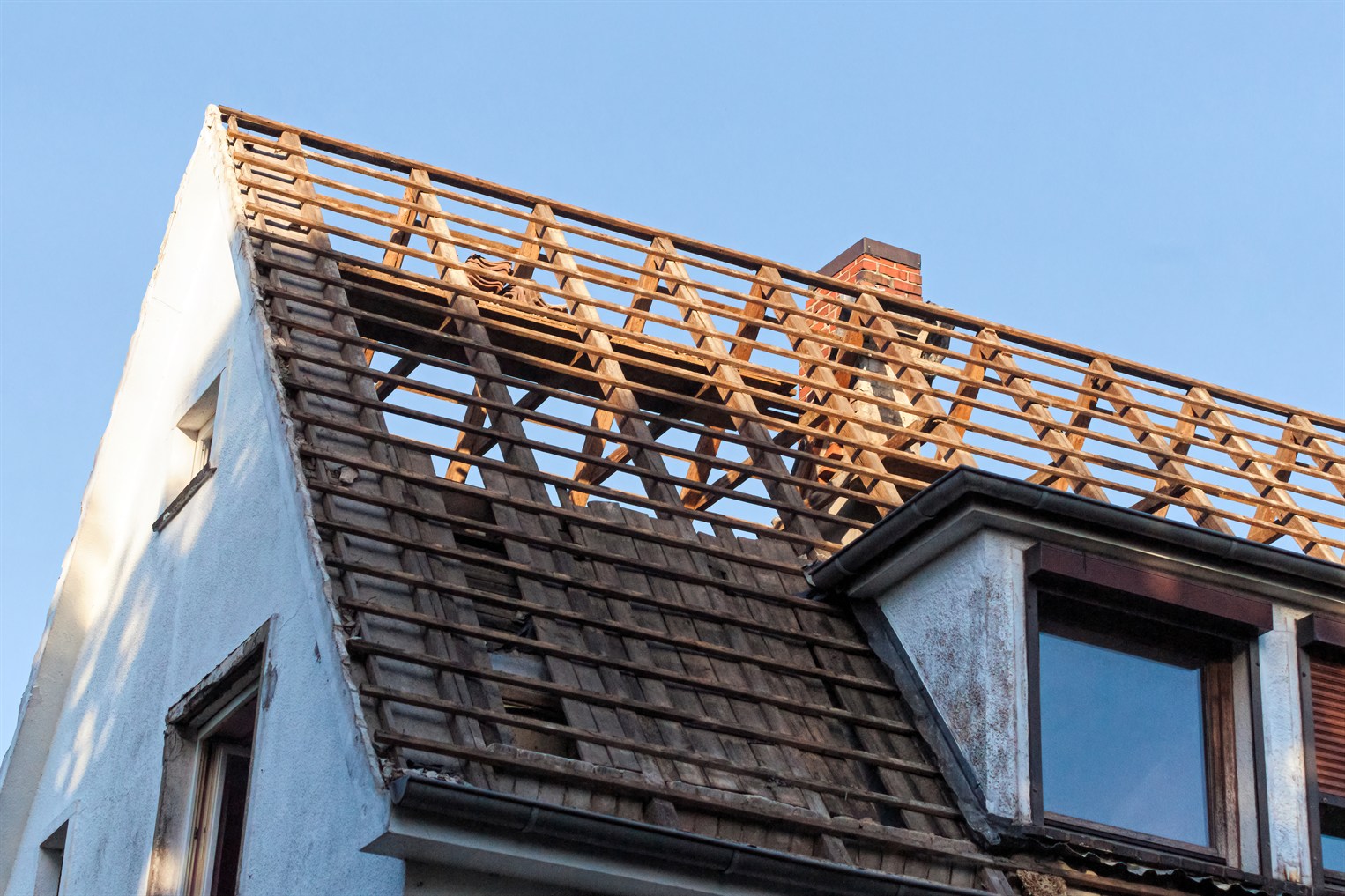
What Happens During a Roof Tear-Off: Here’s the Step-by-Step
Jun. 03, 2026
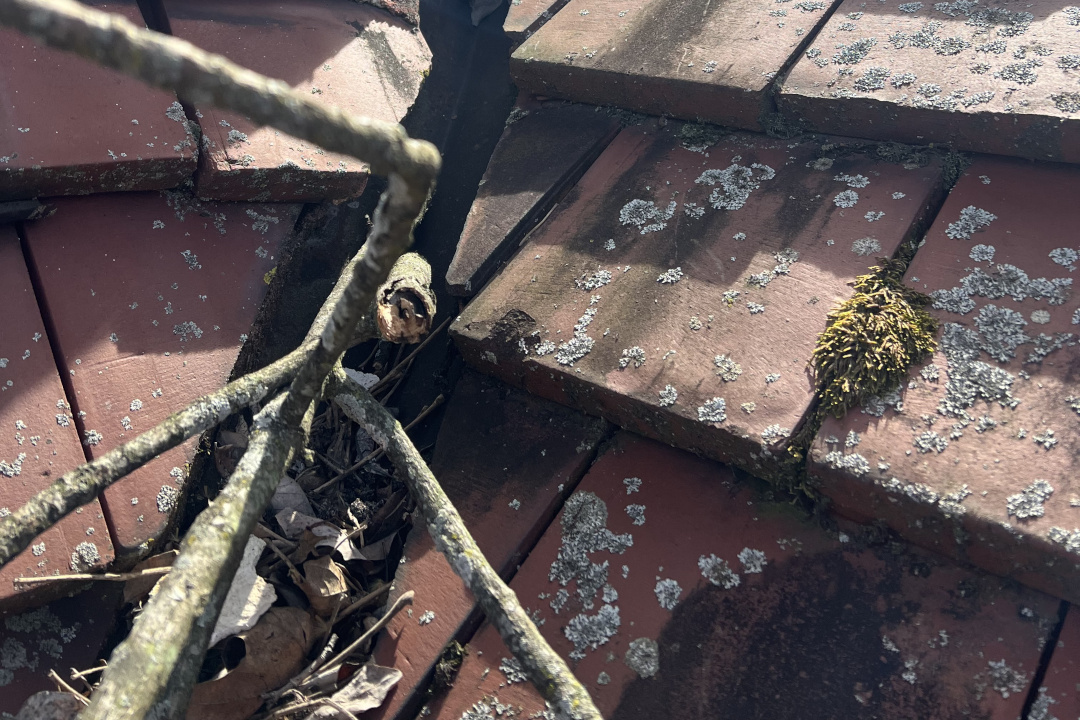
How Trees Affect Roof Life: Pruning, Leaves & Debris Best Practices
May. 21, 2026
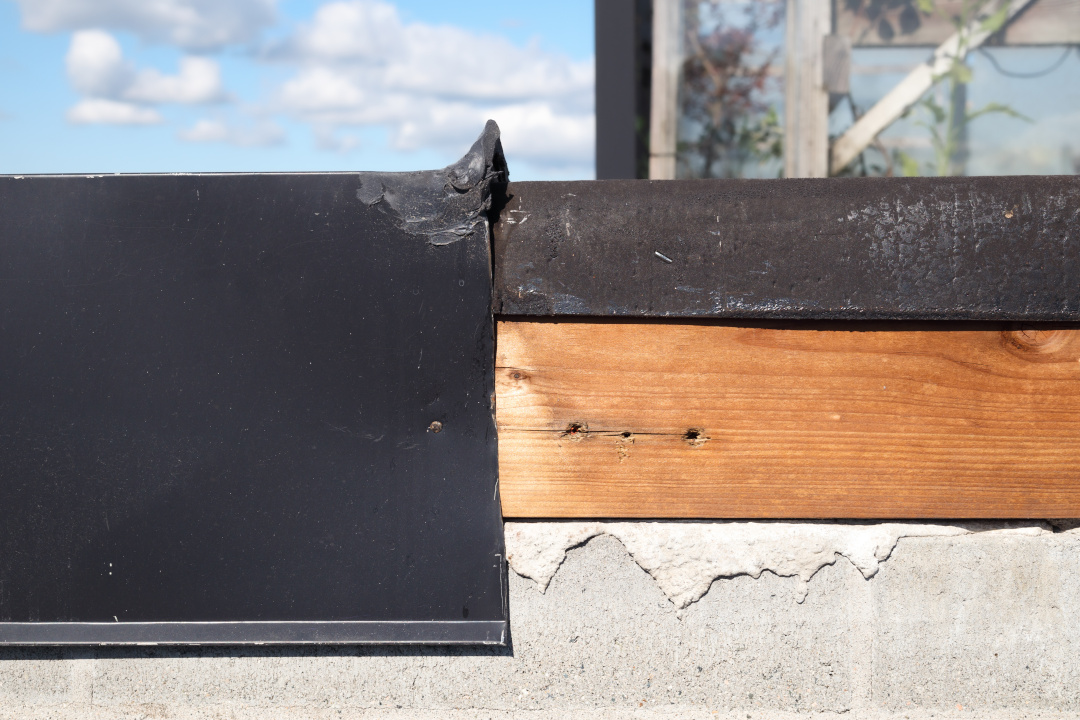
Roof Flashing Failures: Why So Many Leaks Start at Transitions
May. 07, 2026
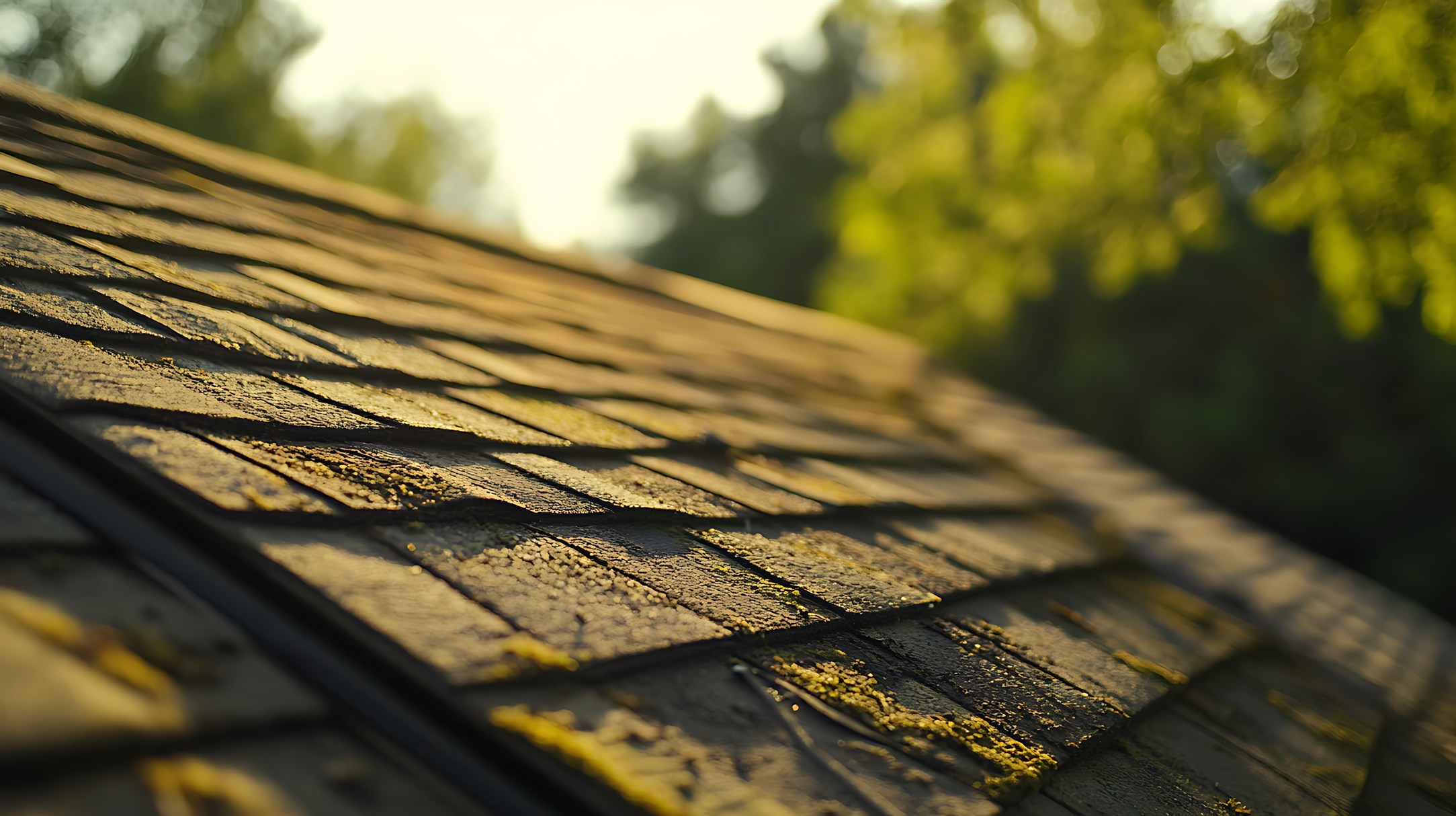
The Effects of UV Radiation on Roofing Materials
Apr. 22, 2026