

What belongs in a Dayton winter roof-leak kit? A compact, clearly labeled bin in your garage—stocked tarps, buckets, towels, roof-safe ice melt for gutters, and a simple inspection routine—can limit damage until a roofing crew arrives.
Why Winter Roof Leaks Happen
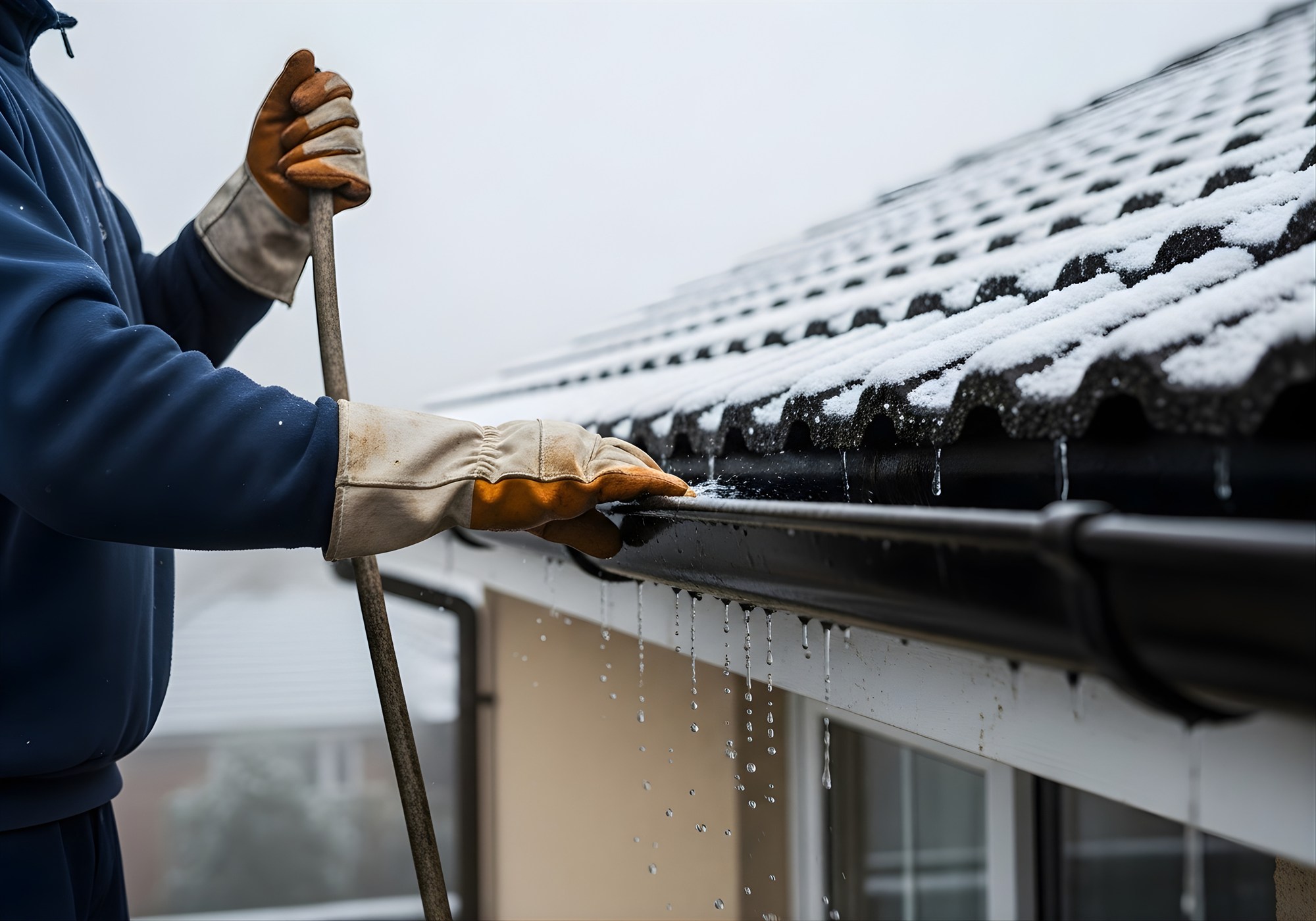
Many winter leaks start with ice dams. Snow on a warm roof melts, then refreezes at the cold eaves. This process forces water back under shingles and into homes. Proper attic insulation, ventilation, and clean gutters keep the roof colder and let meltwater drain safely instead of backing up under the shingles. Schedule professional gutter cleaning before winter and any time you see overflow or heavy icicles forming along the gutters.
Quick ventilation check: After a snow storm, compare your roof to your neighbors’. If snow remains evenly on your roof longer, it usually means better insulation and ventilation. A colder roof surface reduces the risk of ice-dam risk.
Your Winter Roof Leak Emergency Kit
Store these items together in a labeled bin in your garage:
Safety First: What Not To Do
Do not climb onto your roof or a ladder to clear snow or ice. Winter conditions with hidden black ice are a leading cause of serious falls. Frozen or debris-packed gutters can be cleared, and ice dams can be removed, but only by trained professionals using proper equipment. Never attempt to chip ice with shovels, hammers, or other tools.
When to Call Enterprise Roofing
Contact us immediately if you see active dripping, new ceiling or garage drywall stains, sagging or frozen-solid gutters, or thick ice bands along your roofline. Our team can clear gutters, assess ventilation, and recommend long-term solutions tailored to Dayton homes. Use our online form to request Enterprise service at the first sign of trouble.
Jun. 03, 2026
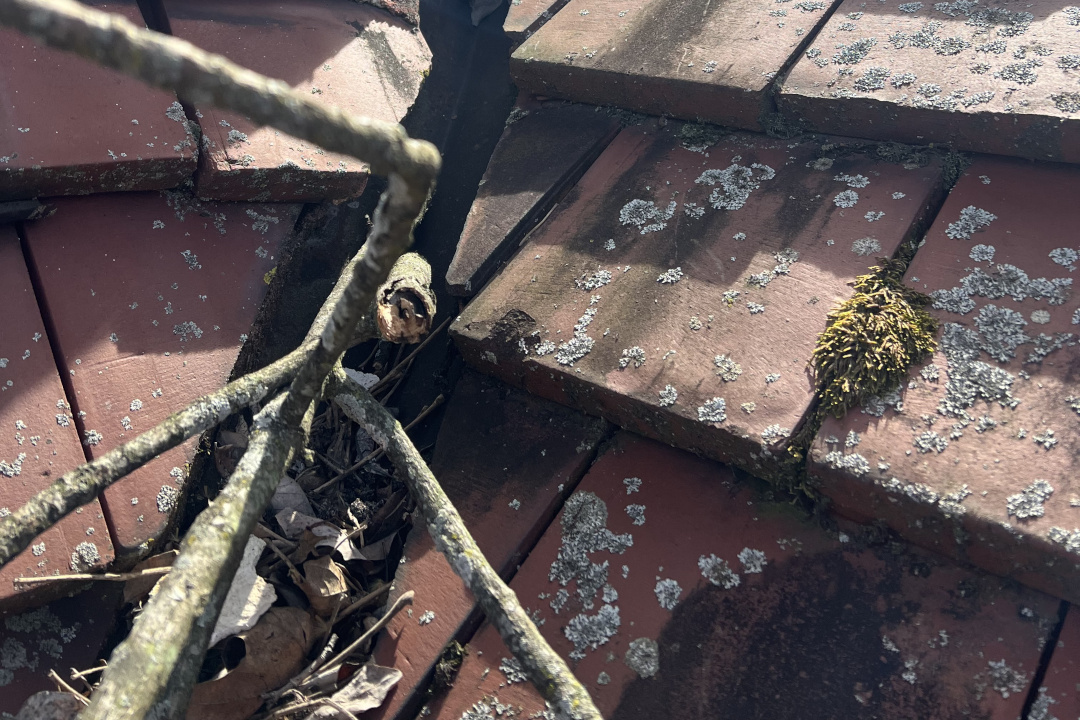
How Trees Affect Roof Life: Pruning, Leaves & Debris Best Practices
May. 21, 2026
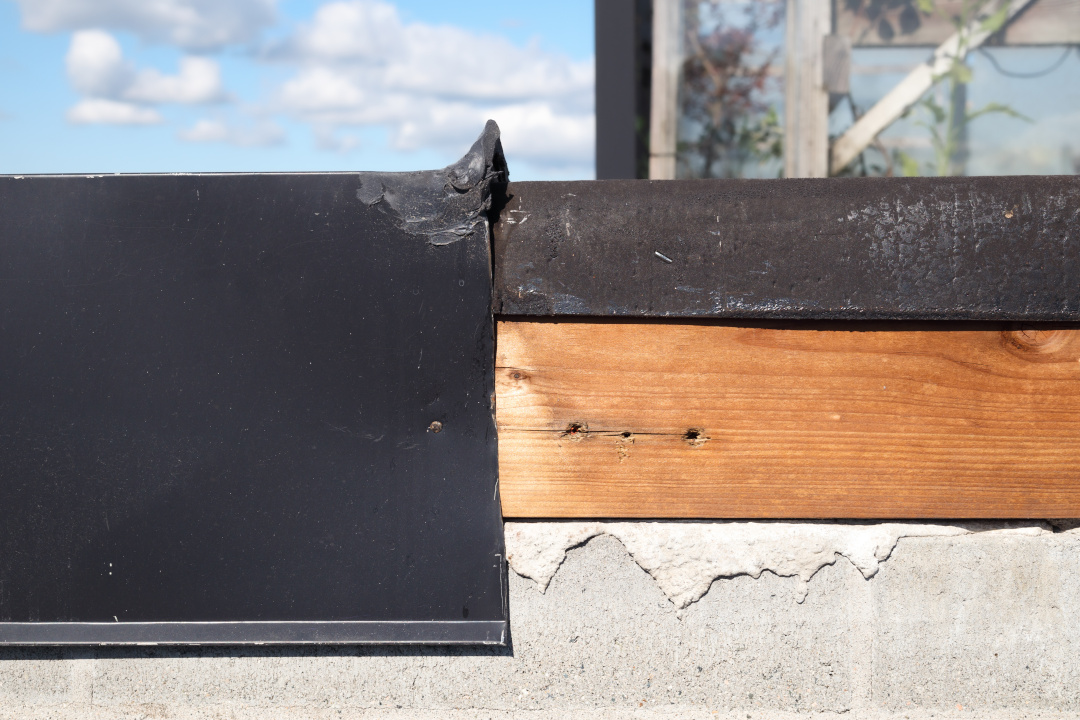
Roof Flashing Failures: Why So Many Leaks Start at Transitions
May. 07, 2026
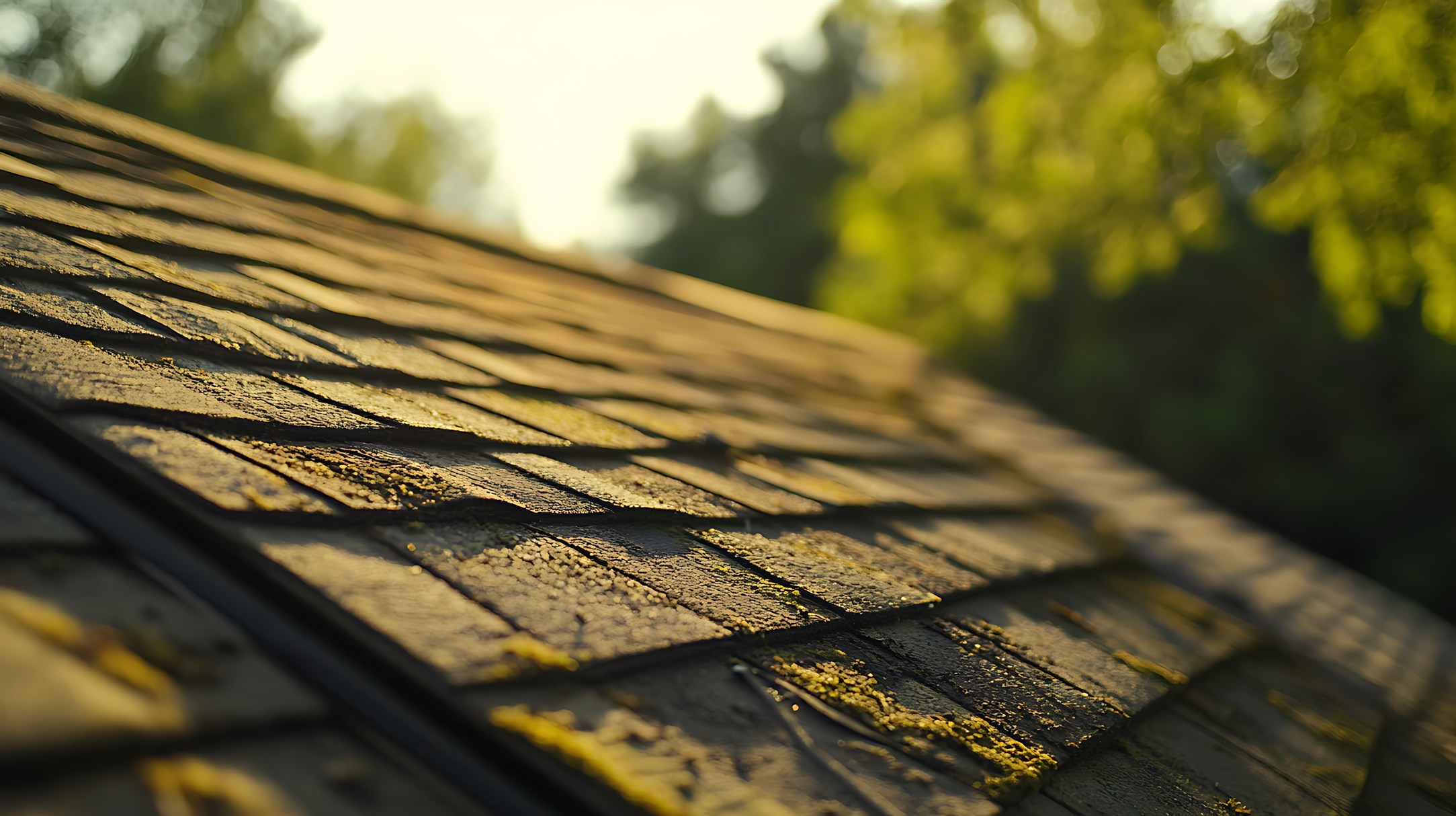
The Effects of UV Radiation on Roofing Materials
Apr. 22, 2026
Why a Roof Warranty Isn’t Enough
Apr. 07, 2026