
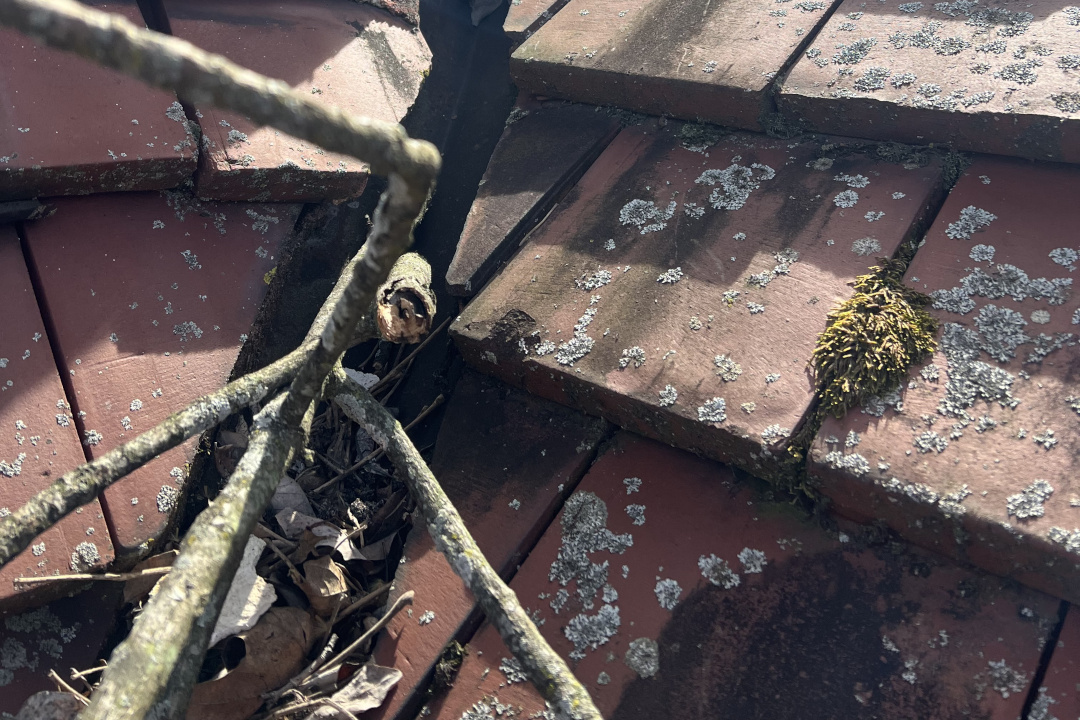
Yes—trees can shorten roof life when branches hang over the house, heavy shade keeps shingles damp, and leaves or twigs collect in valleys and gutters. That combination holds moisture against roofing, encourages moss and algae, increases pest access, and raises the chance that a limb will damage the roof during a storm.
Why overhanging trees are hard on a roof
At Enterprise Roofing, we regularly see roofs age faster where tree cover is too close. Excessive shade can make a roof dry more slowly, and moss and debris hold moisture that can shorten roof life. When branches actually touch the surface, they can also rub against shingles and contribute to wear over time.
Leaves, twigs, and gutter backups
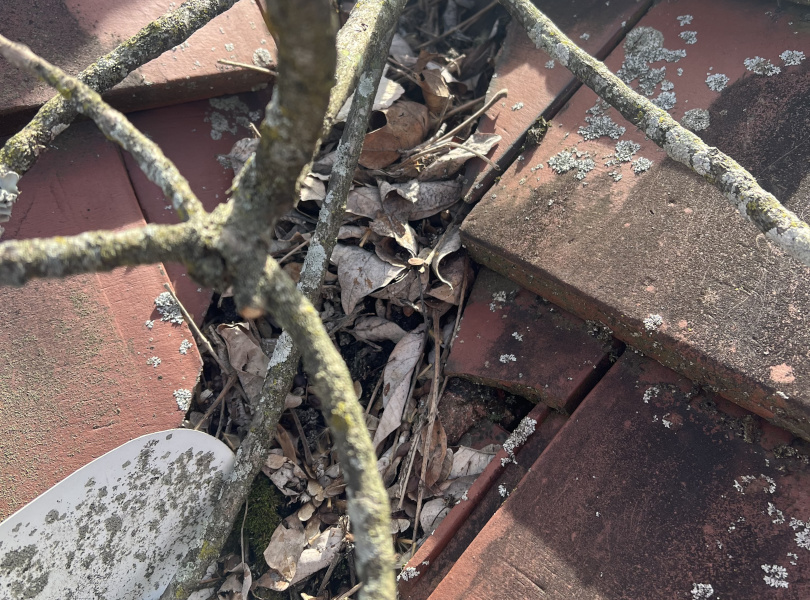
Falling debris is not just a cleanup issue. Leaves and needles can clog gutters and roof valleys, and that trapped material can hold moisture against the roof. Once gutters back up, water can overflow where it should not, which can affect fascia, soffits, and drainage performance. NC State Extension also notes that clogged gutters can contribute to wood-rot problems.
Tree limbs also create pest and animal access
Overhanging branches do more than drop leaves. UF/IFAS explains that touching or overhanging limbs can act like highways for rats, squirrels, termites, and ants, and Arizona Extension similarly advises timely pruning so branches do not touch roof lines and give pests access to attics and wall voids. In practical terms, that means more maintenance needs around gutters, soffits, and roof edges—and more opportunities for damage if animals start chewing, nesting, or blocking drainage paths.
Best practices that protect roof life
A good rule is simple: do not let limbs touch the roof, and give the roof room to breathe. GAF recommends keeping branch tips at least 6 feet from the roof. For drainage, WVU Extension and Nebraska Extension both advise cleaning gutters and downspouts at least twice a year, with more frequent service when trees overhang the home. For storm risk, UF/IFAS notes that structural pruning can reduce branch failure in storms. And locally, Tree Care Inc. of Dayton emphasizes identifying problem trees before they become hazards and handling vegetative storm debris safely.
| Tree issue | Why it matters for your roof | Best practice |
| Overhanging limbs | More shade, abrasion, animal access, storm impact | Prune back so limbs do not touch the roof; aim for meaningful clearance |
| Leaves and twigs | Moisture retention, clogged valleys and gutters | Clean roof edges, valleys, gutters, and downspouts at least twice yearly |
| Dead or weak branches | Higher chance of breakage in wind or ice | Have a qualified arborist inspect and prune before storm season |
| Heavy tree cover | Slower drying and more moss/algae potential | Thin canopy where appropriate to improve sun and airflow |
These maintenance steps are the most effective way to reduce tree-related roof wear before they turn into leak repairs, fascia damage, or premature replacement issues.
When to call Enterprise
If your roof has overhanging limbs, constant gutter clogs, visible staining on shaded slopes, or signs that a branch has already scraped or impacted the surface, we recommend acting before the next storm does it for you. Our team can inspect the roof, identify tree-related wear, and help you decide whether you need maintenance, repair, or a larger roofing solution.
To get started, use our contact form and request an assessment.
Jun. 03, 2026
How Trees Affect Roof Life: Pruning, Leaves & Debris Best Practices
May. 21, 2026
Roof Flashing Failures: Why So Many Leaks Start at Transitions
May. 07, 2026
The Effects of UV Radiation on Roofing Materials
Apr. 22, 2026
Why a Roof Warranty Isn’t Enough
Apr. 07, 2026