

If you’re planning a commercial roof replacement, start by getting a full condition assessment (including moisture testing and drainage review), defining your budget and insurance requirements, selecting the right roof system (TPO, EPDM, metal, etc.) for your building, and scheduling the work around your operations. A structured plan like this helps avoid surprises, protects your interior, and keeps business disruption to a minimum.
1. Start With a Detailed Roof Assessment
Before anyone talks numbers, we recommend a thorough inspection of the existing system: membrane, flashings, penetrations, and decking. A proper commercial replacement plan usually includes:
- Visual inspection for seams, punctures, ponding, and failing details.
- Taking a sample down to the deck (core cut) to verify insulation type/thickness, deck condition, and trapped moisture.
- Documenting roof age, previous repairs, and warranty status.
This data tells us whether targeted repairs are still viable or if full replacement is the smarter long-term move.
2. Investigate Moisture & Roof Drainage
Hidden moisture is one of the biggest reasons “new” roofs fail early. We often recommend:
- Infrared moisture scans to locate wet insulation non-destructively. Thermal imaging highlights warmer, wet areas so we know exactly where the roof is compromised.
- Strategic core samples to confirm infrared findings.
- A full drainage review: clearing and testing drains, scuppers, and gutters, and checking for low spots where water ponds
Industry guidance suggests flat roofs should drain completely within about 24–48 hours after rainfall to avoid structural and moisture problems. If your roof regularly holds water longer than that, we may recommend tapered insulation, added drains, or redesigned slopes as part of the replacement.
3. Align Scope With Budget & Insurance Requirements
Once we understand the condition of the roof, we can help you line up scope and budget:
| Planning Step | What We Look At | Questions for Owners |
| Condition & Moisture | Infrared scan, cores to deck, drainage | How long do you plan to own the building? |
| Budget Range | Cost per square foot, phasing options | Do you prefer lowest upfront cost or best life-cycle value? |
| Insurance & FM Requirements | Assembly approvals, fire/wind ratings, insulation types | Does your carrier or FM-Global require specific roof systems or details? |
| Occupant Constraints | Business hours, noise sensitivity, access | Are there critical areas (offices, medical, schools, call centers) with strict noise or vibration limits? |
Your insurance carrier or FM-insured facility may require specific roofing assemblies, fastener patterns, or fire ratings. Those requirements should be confirmed up front so the chosen system will be insurable and compliant.
4. Choose the Right Roof System
With scope and constraints defined, we help you choose materials that match your building and climate:
- Single-ply membranes (TPO, EPDM) for most low-slope commercial roofs.
- Modified bitumen for roofs needing extra durability or phased installation.
- Metal systems for sloped areas or architectural visibility.
We’ll also look at energy performance, warranty options, rooftop equipment (HVAC, solar), and long-term maintenance so you’re investing in a system that will perform for decades, not just pass inspection on day one.
5. Plan Around Operations, Safety & Communication
A good commercial roof replacement plan minimizes disruption:
- Phasing work by section to keep entrances and critical areas open.
- Scheduling noisy work during off-hours where noise is an issue (schools, medical facilities, offices with call centers).
- Coordinating fall protection, material staging, and traffic patterns for employee and customer safety.
Clear communication with tenants and staff—where crews will be, when rooftop access is restricted, and what to expect—goes a long way toward a smooth project.
Ready to Plan Your Commercial Roof Replacement?
At Enterprise Roofing, we’ve been protecting Dayton-area businesses since 1926. We combine modern tools—like infrared scans, roof core sampling to the deck, and detailed drainage evaluations—with nearly a century of craftsmanship to build the right plan for your facility.
If you’re ready to start planning, schedule a consultation with our team through our secure Enterprise Roofing contact form. We’ll walk your roof, review your insurance and operational requirements, and develop a clear, step-by-step replacement plan tailored to your building.
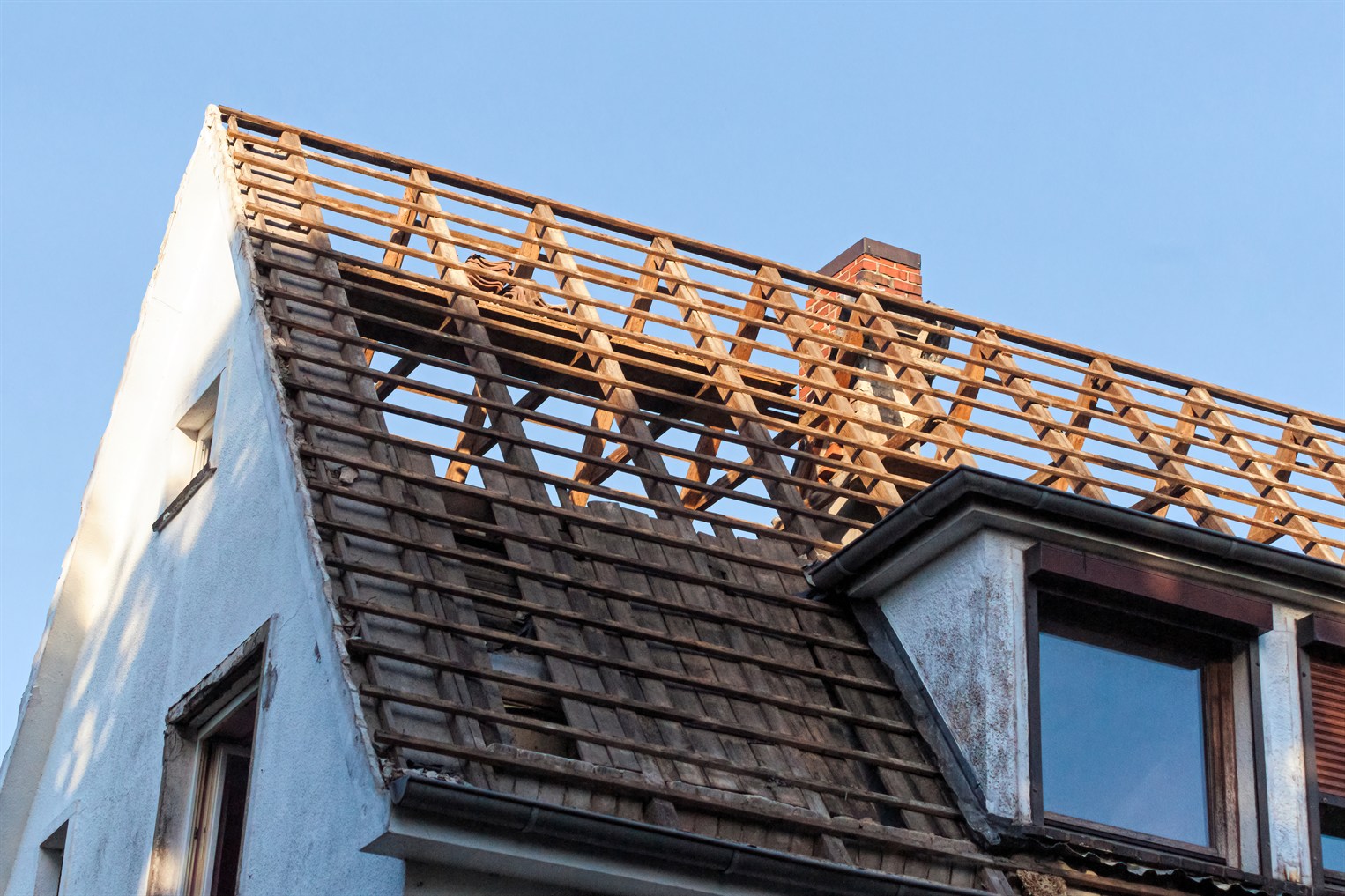
Jun. 22, 2026
What Happens During a Roof Tear-Off: Here’s the Step-by-Step
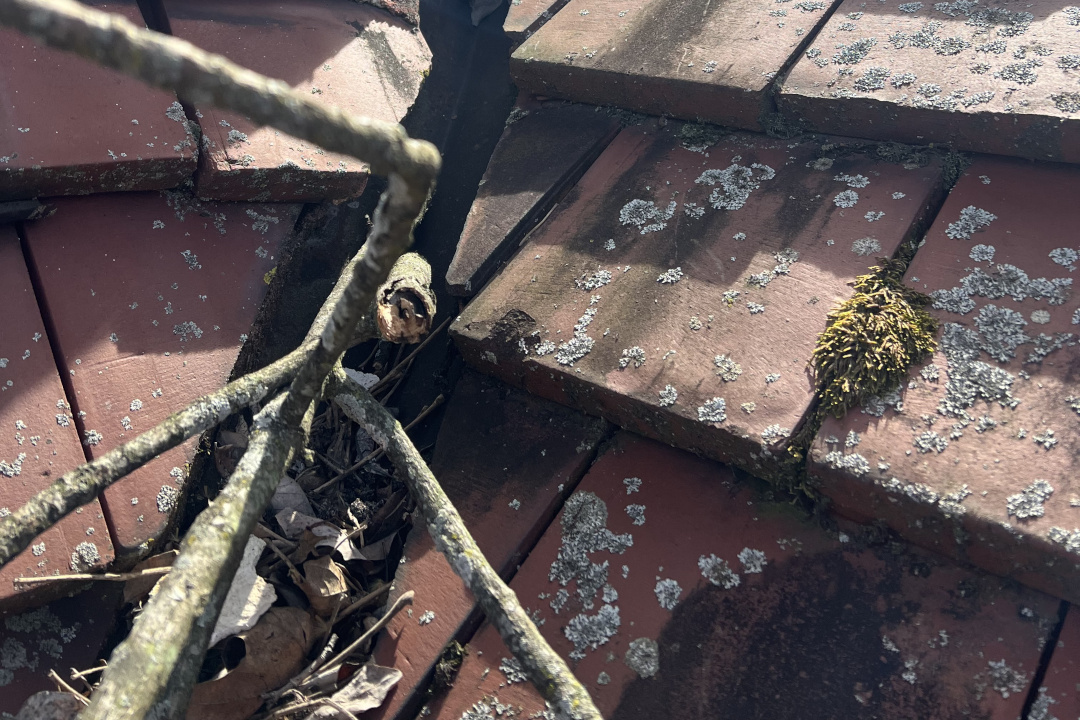
Jun. 03, 2026
How Trees Affect Roof Life: Pruning, Leaves & Debris Best Practices
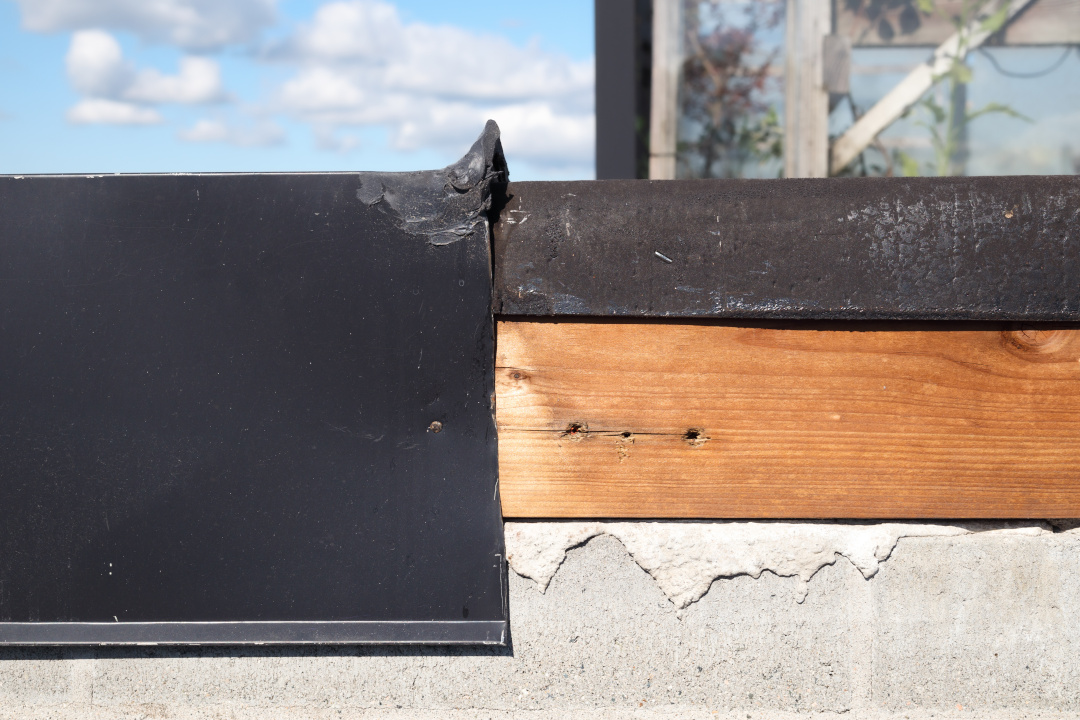
May. 21, 2026
Roof Flashing Failures: Why So Many Leaks Start at Transitions
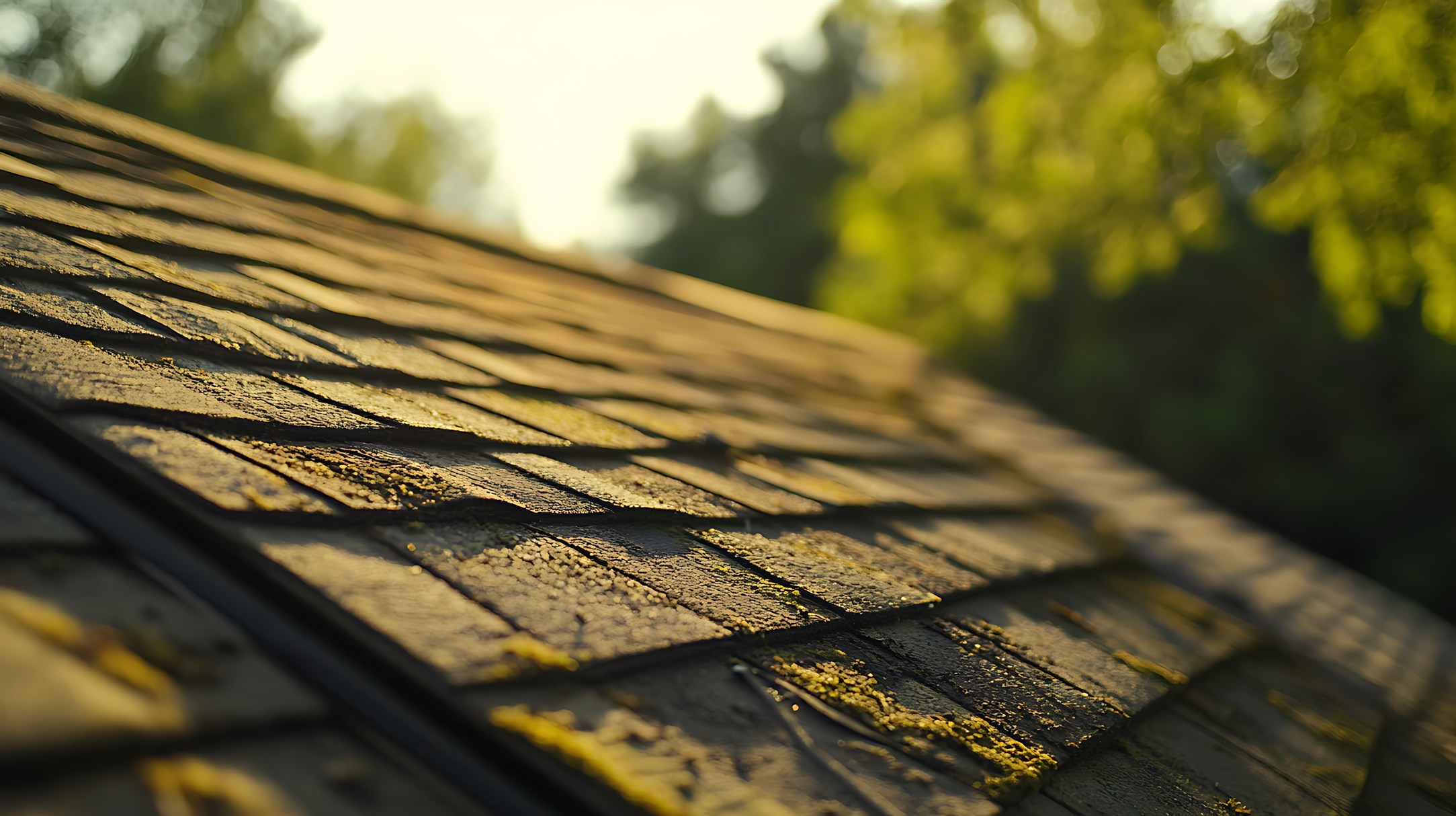
May. 07, 2026
The Effects of UV Radiation on Roofing Materials

Apr. 22, 2026