
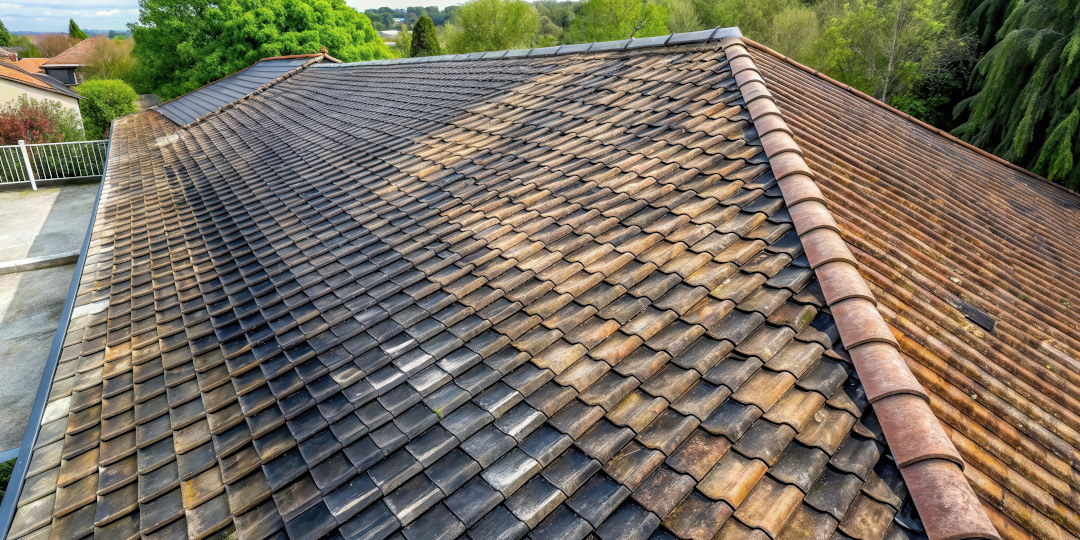
Roof discoloration is one of the most common homeowner complaints — and in most cases it’s more cosmetic than structural. As Enterprise Roofing, we see the same patterns again and again, so here’s a concise, practical guide to what causes those unsightly streaks and the steps that actually work to prevent them.
What’s usually causing the dark streaks?
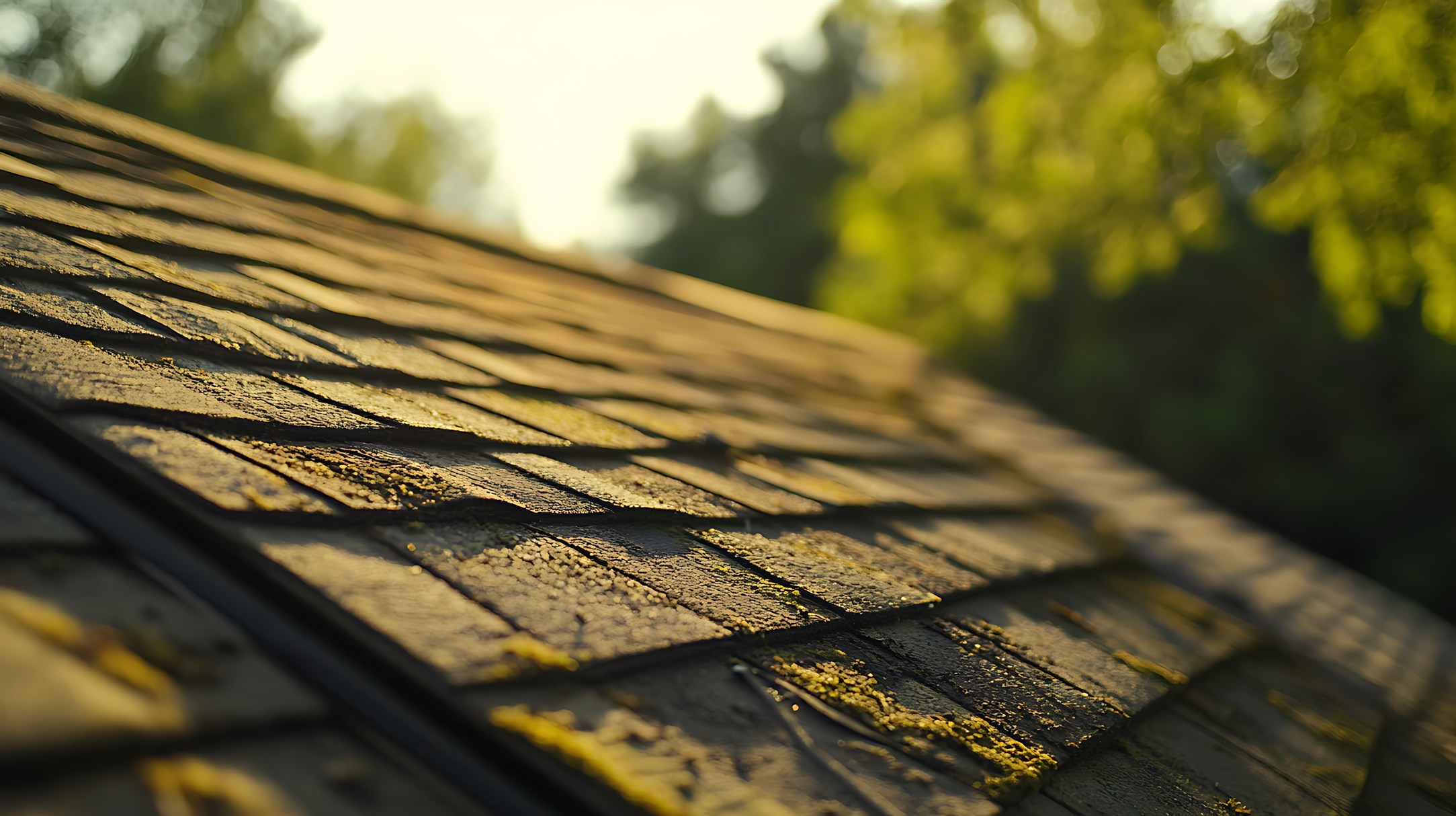
The most common cause is algae, especially a species called Gloeocapsa magma. It’s an airborne, organic growth that feeds on microscopic limestone in asphalt shingles and leaves dark brown/black streaks across the roof. While unattractive, algae is primarily an aesthetic problem and usually doesn’t shorten shingle life if properly managed.
Other causes:
-
Moss & lichen — collect in shaded, damp areas and can trap moisture.
-
Leaf/tannin staining — from decaying leaves, pine needles and gutters.
-
Rust/runoff — from metal flashings or nearby structures.
-
Dirt and pollution — airborne particulates can settle and darken surfaces.
Preventive measures that actually work
Below is a compact table showing cause → look → prevention so you can scan fast.
| Cause | How it looks | Best prevention |
|---|---|---|
| Algae (G. magma) | Black/brown streaks across shingles | Install algae-resistant shingles; install copper/zinc ridge strips; maintain sunlight and airflow. |
| Moss / lichen | Thick green mats in shaded valleys | Trim trees, remove debris, professional soft-wash cleaning and preventive strips. |
| Tannins / leaves | Localized brown patches near gutters | Keep gutters clear; remove roof debris after storms. |
| Rust / metal runoff | Orange/brown streaks under flashings | Replace corroded metal; install non-corroding flashings; clean and rinse. |
Algae-resistant shingles
Many modern shingles are manufactured with copper-based granules or algae-resistant treatments. These significantly reduce the chance of dark streaks and are a good choice if aesthetics matter in your neighborhood. If you’re replacing a roof, choose an algae-resistant product to cut future staining. Owens Corning
Metal (copper or zinc) strips
Installing narrow copper or zinc strips near the ridge releases trace metal ions during rain that inhibit algae growth downslope. This is an effective supplemental measure for roofs that already see partial shading or frequent moisture.
Cleaning: what’s safe and effective
Manufacturers and professional cleaners commonly recommend a soft-wash solution (sodium hypochlorite / bleach mixed with water and surfactant) applied at low pressure — followed by a thorough rinse — to remove organic growth without damaging granules. Do not use high-pressure washing (it can strip granules and void warranties). Also be mindful: improper cleaning methods can affect shingle warranties, so use a reputable contractor or follow manufacturer guidance.
Safety note: Never mix bleach with ammonia or acidic cleaners — doing so creates toxic gases. Always follow label and PPE guidance.
Quick checklist for homeowners
-
Choose algae-resistant shingles on replacement. Owens Corning
-
Keep gutters clean and remove roof debris seasonally.
-
Trim overhanging trees to increase sunlight and airflow.
-
Consider copper/zinc ridge strips for persistent staining.
-
Hire professionals for soft-wash cleaning to protect shingles and warranties.
At Enterprise Roofing, we’ve worked on over 100,000+ Dayton-area roofs since 1926 and help homeowners both prevent and correct roof discoloration. If you’d like a free assessment or a professional cleaning/replacement quote, sign up using our contact form and one of our certified technicians will get back to you: Enterprise Roofing — Contact Us.
If you want, we can also schedule an inspection and recommend the most cost-effective fix for your roof’s specific condition.
Jun. 22, 2026
What Happens During a Roof Tear-Off: Here’s the Step-by-Step
Jun. 03, 2026
How Trees Affect Roof Life: Pruning, Leaves & Debris Best Practices
May. 21, 2026
Roof Flashing Failures: Why So Many Leaks Start at Transitions
May. 07, 2026
The Effects of UV Radiation on Roofing Materials
Apr. 22, 2026