
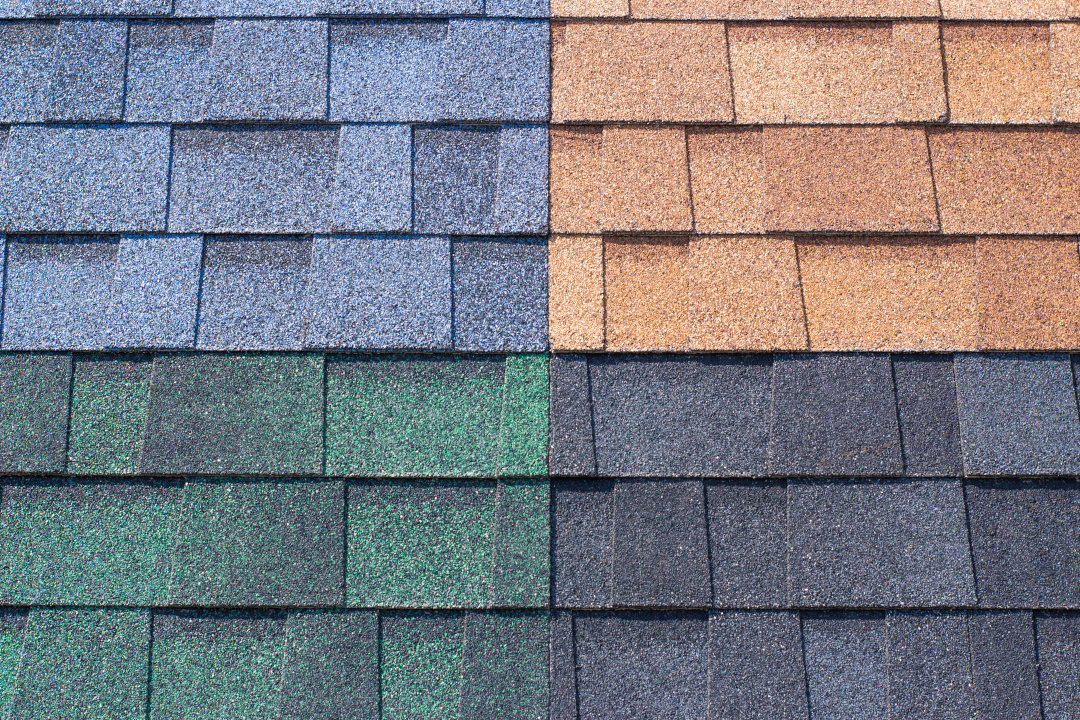
Choosing a roof color is about more than curb appeal — it affects energy use, maintenance, and how the whole house reads from the street. As Enterprise Roofing, we help Dayton homeowners pick colors that look great and perform well. Below are straightforward, practical factors to weigh when you choose a roof color.
Aesthetic factors: how color works with your home
- Coordinate with siding, trim and stone. Your roof should complement—not clash with—paint, brick, and trim. Lighter roofs can make dark trim pop; darker roofs ground pale exteriors. For guidance on color matching and trends, see Owens Corning’s roofing color guide.
- Slope and viewing angles. Steep or complex roof slopes change how color and shadow read from the street — colors look richer on steep pitches and subtler on low-slope or flat roofs. Always evaluate samples on the actual roof lines at different times of day.
- Dimensional (architectural) shingles & shadowing. Dimensional shingles are designed to create depth with multiple granule tones; that “shadowing” can make mid-tone colors read darker or more textured than a flat sample. If you want a smoother, uniform look, low-profile or single-tone products may be a better match.
Functional factors: energy, durability, and maintenance
- Energy performance (light vs. dark). Light-colored or reflective “cool roofs” reflect more sunlight and lower roof-surface temperatures, which can reduce cooling loads in warm months. Dark roofs absorb more heat — sometimes desirable in cold climates but potentially raising summer cooling costs. For the science behind cool roofs see the U.S. Department of Energy and ENERGY STAR resources.
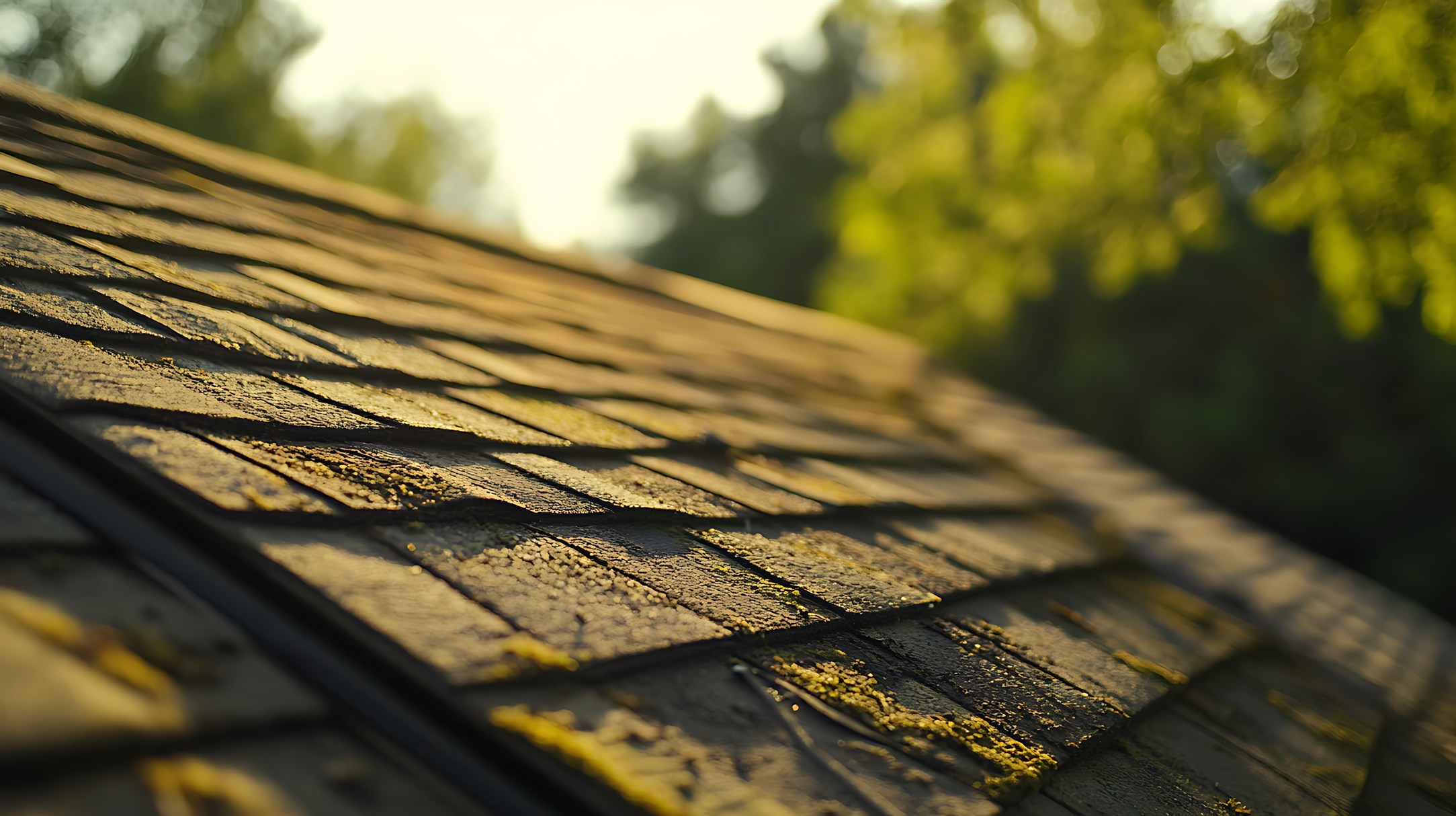
- Algae, moss and direction your house faces. Algae (dark streaking) tends to appear where moisture lingers — commonly north- or west-facing slopes and shaded areas under trees — because dew dries slower there. Darker shingles show stains more than lighter ones, and algae-darkened shingles can absorb more heat. Consider algae-resistant shingles or zinc/copper starter strips in susceptible locations.
- Maintenance expectations. Dark colors hide dirt but highlight moss and algae streaks; light colors show dirt but resist heat-related wear and can make algae stains less visible. Regular cleaning, gutter maintenance, and trimming overhanging branches reduce staining risk.
Quick comparison table
Practical tips from Enterprise
- Bring samples to the roof. View shingle tabs taped in place from street level at morning and afternoon light before you commit.
- Match material to style. Architectural shingles with multi-tonal granules read differently than three-tab shingles — ask about the shadowing effect on the product you like.
- Consider orientation and landscaping. If the north/west slopes are shaded, choose algae-resistant products and plan for periodic cleaning.
- Think long-term. A color you love now should still work if you repaint trim or replace siding later — neutral mid-tones often give the best resale flexibility.
If you’d like tailored color options for your home, we’ll evaluate slope, exposure, existing exterior colors, and product choices (including dimensional shingles and algae-resistant options) and show you how samples will look from the curb. Contact Enterprise Roofing and schedule a free color consultation through our on-site contact form: Enterprise Roofing — Contact Us.
Jun. 22, 2026
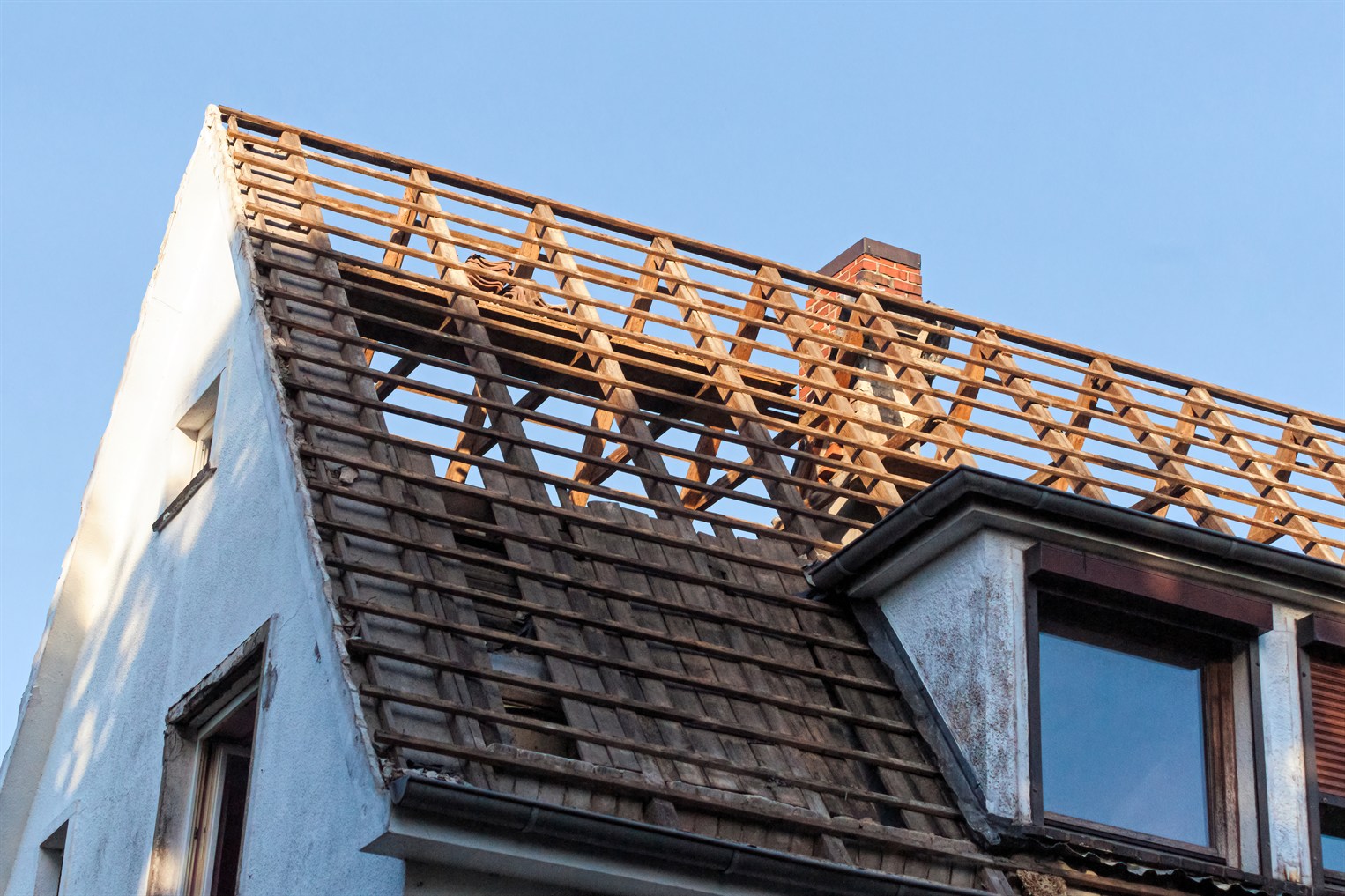
What Happens During a Roof Tear-Off: Here’s the Step-by-Step
Jun. 03, 2026
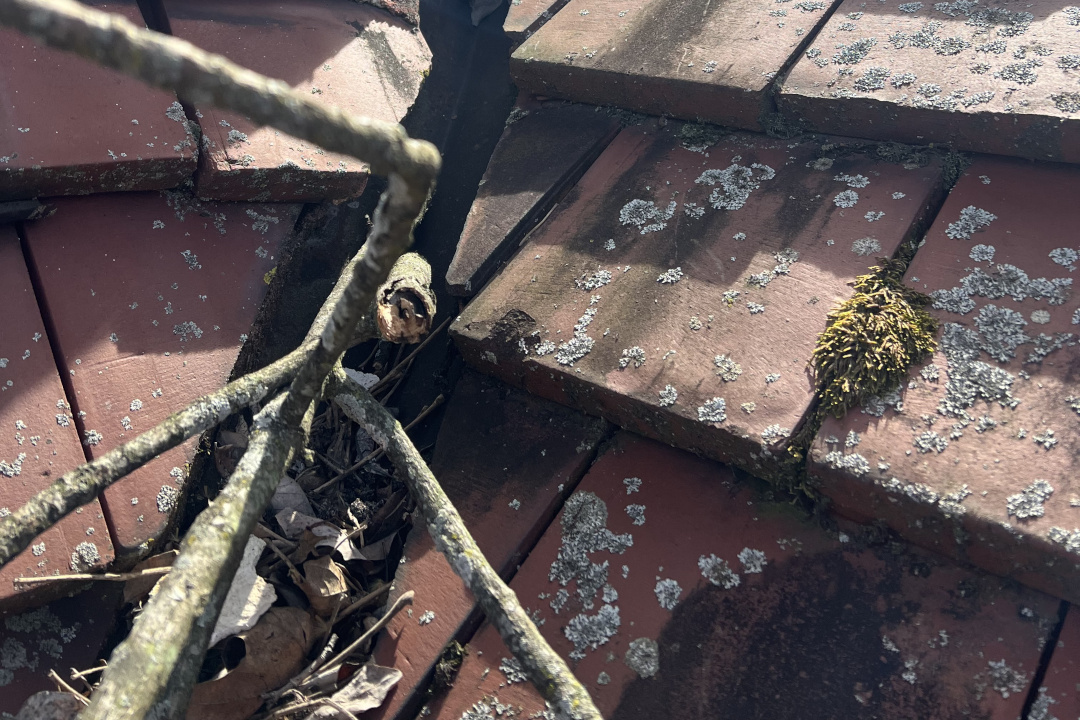
How Trees Affect Roof Life: Pruning, Leaves & Debris Best Practices
May. 21, 2026
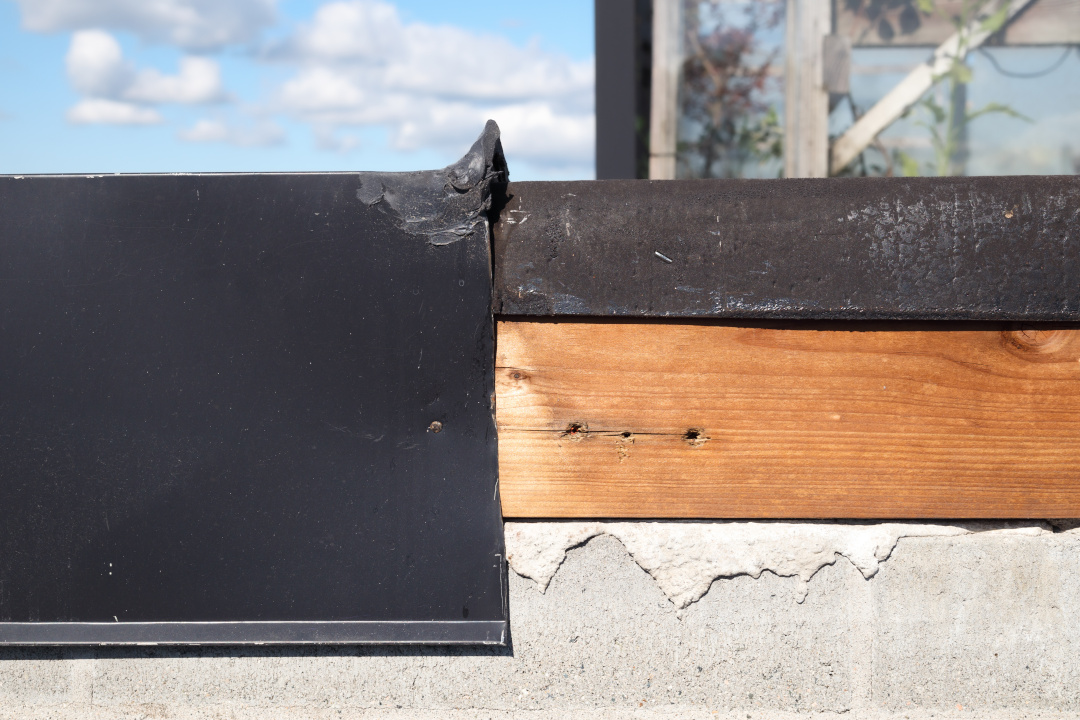
Roof Flashing Failures: Why So Many Leaks Start at Transitions
May. 07, 2026
The Effects of UV Radiation on Roofing Materials

Apr. 22, 2026